
Most curl products promise the same three things — definition, bounce, no frizz. Few tell you what’s actually doing that work. We pulled the full ingredient lists for genuinely popular curl products and broke down exactly what’s making your curls behave (or not).
At a Glance
| Product | Key Ingredients | Best For | Price |
|---|---|---|---|
| Oribe Curl Control Silkening Crème | Argan, avocado & apricot oils, layered styling polymers | Luxury hold + sensory experience | ~$46 |
| Olaplex No. 6 Bond Smoother | Bis-Aminopropyl Diglycol Dimaleate, Panthenol | Damaged, breakage-prone curls | ~$30 |
| Moroccanoil Curl Defining Cream | Argan oil, Dimethicone, Polyquaternium-11 | All curl types wanting shine + softness | ~$36 |
The 3 Best Curl-Defining Products
1. Oribe Curl Control Silkening Crème — ~$46
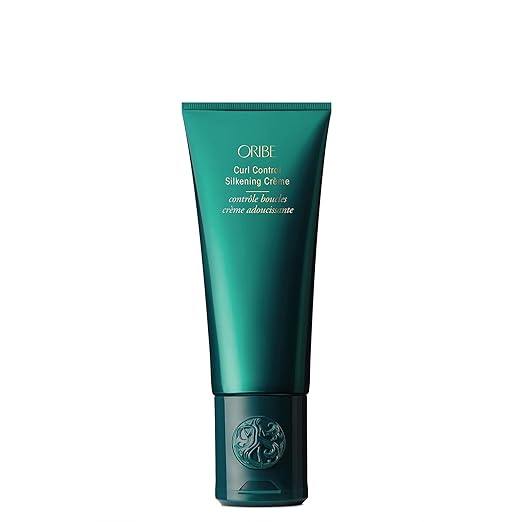
Best for: Curl types 2-3 wanting luxury texture and genuine all-day hold
” Oribe built its reputation on making styling products feel like a spa treatment, and the ingredient list shows this isn’t just packaging — there’s real formulation depth backing the experience.”
What’s actually in it:
A blend of styling polymers (Polyquaternium-37, Polyquaternium-73, PVP) — most curl creams use one film-forming polymer. Oribe layers three, which is likely why reviewers consistently note the hold lasts noticeably longer than single-polymer formulas without feeling stiff or crunchy.
Cyclopentasiloxane and Dimethicone — a volatile-plus-non-volatile silicone pairing. The cyclopentasiloxane evaporates after application, leaving behind a lighter finish than dimethicone alone would give — a more considered silicone choice than most drugstore curl creams make.
Avocado, apricot kernel, and coconut oils — a genuine trio of fatty-acid-rich oils, not just one oil for the marketing photo. Avocado oil in particular is rich in vitamins A, D, and E and penetrates the hair shaft rather than just coating it.
The Oribe Signature Complex (watermelon, lychee, and edelweiss flower extracts) — largely an antioxidant and marketing story rather than a structural ingredient, though edelweiss extract does have some documented UV-protective properties, lining up with Oribe’s UV-protection claim.
Panthenol and hydrolyzed vegetable protein — the same barrier-supporting duo found in more affordable products, layered here alongside the oils rather than relied on alone.
Choose this if: You want a product that performs as well as it feels — the sensory experience (scent, glide, finish) is part of what you’re paying for, and it’s genuinely well-formulated underneath that experience, not just marketing.
One thing to know: This is fragrance-forward — Oribe’s signature Côte d’Azur scent is by design and can’t be avoided. If you’re fragrance-sensitive, this isn’t the one.
2. Olaplex No. 6 Bond Smoother — ~$30
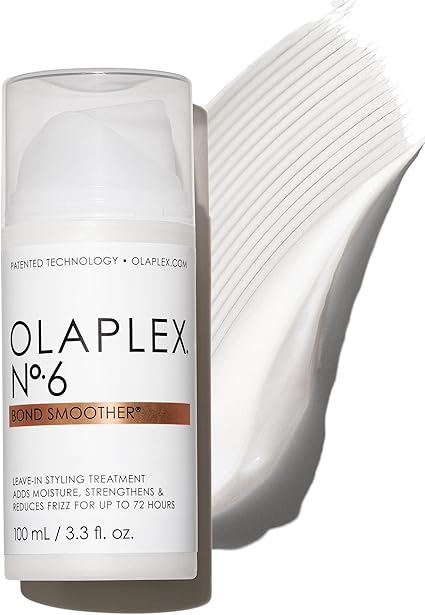
Best for: Curls that are damaged, breakage-prone, or chemically treated
” Olaplex built its name on bond-repair technology for damaged hair, and No. 6 brings that same science into a leave-in styling product — not just a smoother, but genuinely reparative.”
What’s actually in it:
Bis-Aminopropyl Diglycol Dimaleate — this is Olaplex’s patented ingredient, and it’s the reason this product costs more than a typical styling cream. It works by finding broken sulfur-hydrogen bonds in damaged hair and re-linking them into disulfide bonds — the same bonds that give hair its strength and structure. This is a genuinely different mechanism from anything else on this list.
Panthenol (Pro-Vitamin B5) — draws in moisture and helps hair retain it, while also adding a subtle thickening effect that makes strands feel fuller.
Phytantriol — works alongside panthenol to improve shine and manageability. The two ingredients are commonly paired because they enhance each other’s effects.
Hydrolyzed Vegetable Protein — a broken-down protein that can temporarily fill in gaps along damaged hair cuticles, smoothing rough texture on contact.
Dimethicone and Isododecane — lightweight silicones that add slip and shine without the heavier feel of thicker silicone blends.
Sunflower Seed Oil and Grape Seed Oil — both rich in fatty acids and vitamin E, adding a light conditioning layer without weighing curls down.
Choose this if: Your curls are dealing with real damage — color treatments, heat styling, chemical processing — not just everyday frizz. This is a repair product with styling benefits, not the other way around.
One thing to know: It’s a leave-in styler, not a rinse-out treatment, and it’s genuinely lightweight — a little goes a long way. Using too much can leave finer curls feeling weighed down.
3. Moroccanoil Curl Defining Cream — ~$36
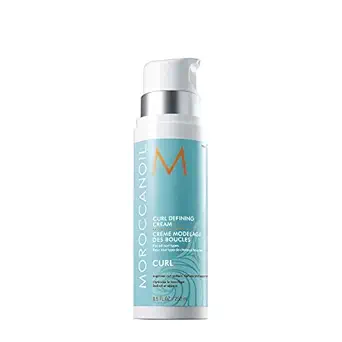
Best for: All curl types wanting shine, softness, and heat-activated hold
” This is the one your curly-haired friend has probably already told you about — it’s been a cult favorite for over a decade, and the formula explains why.”
What’s actually in it:
Argania Spinosa (Argan) Kernel Oil — the ingredient the whole brand is built on. It’s genuinely good at softening hair strands and adding shine, though it sits lower on the ingredient list than the marketing suggests — meaning it’s more of a finishing touch than the main event.
Dimethicone and Phenyl Trimethicone — these silicones are doing the real heavy lifting. They coat each strand to smooth the cuticle, cut frizz, and give that glassy shine curl creams are known for. They don’t rinse out easily, so if you’re avoiding buildup, plan on a clarifying shampoo every couple of weeks.
Polyquaternium-11 — a conditioning polymer that helps hair hold its shape after styling. This is part of what Moroccanoil calls “curl memory technology” — it’s not magic, it’s a film-forming ingredient that helps your curl pattern set as it dries.
Behentrimonium Methosulfate — a conditioning agent that reduces static and makes hair easier to detangle. Common in high-quality conditioners for a reason.
Cetearyl Alcohol — despite the name, this isn’t a drying alcohol. It’s a fatty alcohol that acts as an emollient, softening hair rather than stripping it.
Choose this if: You want an all-in-one product — no need to layer a gel and cream separately. Best applied to towel-dried hair, then diffused for maximum curl activation.
One thing to know: Contains fragrance and several silicones, so if you’re following a silicone-free or “curly girl method” routine, this one breaks those rules.
How to Choose Between These Four
You want the full luxury experience with genuine formulation behind it → Oribe Curl Control Silkening Crème. The layered polymer and silicone approach is doing real work, not just riding on brand name.
Your hair is damaged from color or heat styling → Olaplex No. 6. This is the only product here actually repairing hair structure, not just styling it.
You want an all-in-one styler with real shine, no layering required → Moroccanoil Curl Defining Cream. One product replaces the gel-mousse-serum routine entirely.
What to Actually Look For in a Curl Product
Whatever you buy, check for these three things on the ingredient label:
A humectant to draw moisture in — glycerin and aloe vera are the two most common and effective options.
A film-former or hold agent — this is what gives your curl pattern structure as it dries, whether that’s a polyquaternium, carbomer, or a plant gum like xanthan gum.
Something to manage frizz on the cuticle — either a silicone (fast, effective, but can build up) or a protein/oil combination (gentler, needs more consistent use).
If you’re avoiding silicones specifically, check for anything ending in “-cone” or “-conol” on the label — Oribe, Olaplex, and Moroccanoil all use them; Bouclème and Aunt Jackie’s don’t.
A Note on Our Approach
This analysis is based on verified ingredient lists sourced from official brand websites and INCIDecoder, cross-referenced across multiple sources. We have not personally tested these products. Our focus is on what each formulation is designed to do based on its actual ingredients and concentrations — including where formulas have real tradeoffs, like silicone buildup or fragrance sensitivities — rather than presenting every product as a universal fit.
Last updated: July 2026