

By Radiance Advisor | Independent Cosmetic Research Writer

You can’t undo damage that’s already happened. You can only protect the hair you have now.
— Radiance Advisor
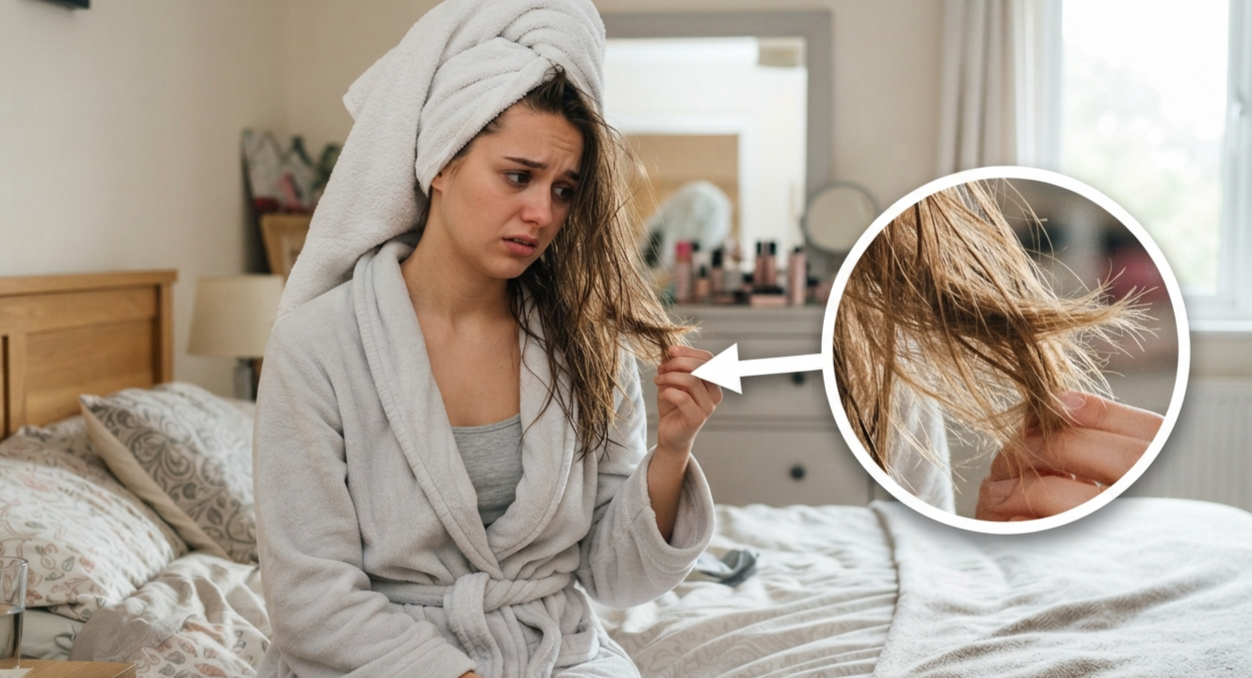
If you’ve bought “repair” shampoos, masks, and treatments and your damaged hair still feels the same, that’s not because you picked the wrong product. It’s because hair strands that are already damaged genuinely cannot be repaired. This is a real, peer-reviewed scientific fact, not just marketing language you’ve been misreading.
Why Damage Can’t Actually Be Undone
Hair has no living cells once it grows past your scalp. It can’t heal itself the way skin does. Real, peer-reviewed research on chemically and heat-treated hair confirms that damage to the cortex, the hair’s inner structural layer, is irreversible (source). Heat and chemical processing break real chemical bonds inside the hair, called disulfide bonds, and once broken, nothing puts them back together from the outside.
This is worth saying plainly: any product claiming to fully “repair” already-damaged hair is describing something that isn’t possible once the cortex is affected. That includes expensive products, not just cheap ones.
Damaged Hair vs. Just Dry Hair
Before assuming your hair is permanently damaged, it’s worth checking whether the real issue is actually just dryness, since dryness is fully reversible and damage isn’t.
| What It Does | Just Dry Hair | Genuinely Damaged Hair |
|---|---|---|
| Feel | Rough, but improves with a good conditioner | Stays rough or brittle even after deep conditioning |
| Stretch test | Stretches a little, bounces back | Snaps quickly, or barely stretches at all |
| Split ends | Rare or none | Visible, especially near the ends |
| Fixable with moisture alone | Yes | No, moisture helps but doesn’t reverse it |
If your hair responds well to a good moisturizing routine and starts feeling normal again, it was likely just dry, not damaged. If it stays rough, brittle, or keeps breaking despite consistent moisture, that points to real structural damage.
What “Repair” Products Are Actually Doing
This doesn’t mean these products are useless, it means they’re doing something different than what the word “repair” implies.
- Most treatments work on the cuticle, the hair’s outer layer, smoothing it down so hair looks shinier and feels softer temporarily
- Some products, including bond-building treatments, claim to work inside the cortex specifically, this is a genuinely different, more targeted approach, though it’s worth knowing brand claims and fully independent, third-party verification aren’t always the same thing
- None of this rebuilds a strand that’s already split or broken, that portion of the hair is permanently changed
Real Damage vs. What a Product Can Actually Fix
| What It Does | Already-Broken Strand | New Hair Growth |
|---|---|---|
| Can a product reverse it | No | Not applicable, it’s undamaged |
| What actually helps | Smoothing appearance, preventing further breakage | Protecting it from damage as it grows |
| Real solution for severe cases | A trim | Prevention going forward |
The Actual Fix
Prevent new damage from happening
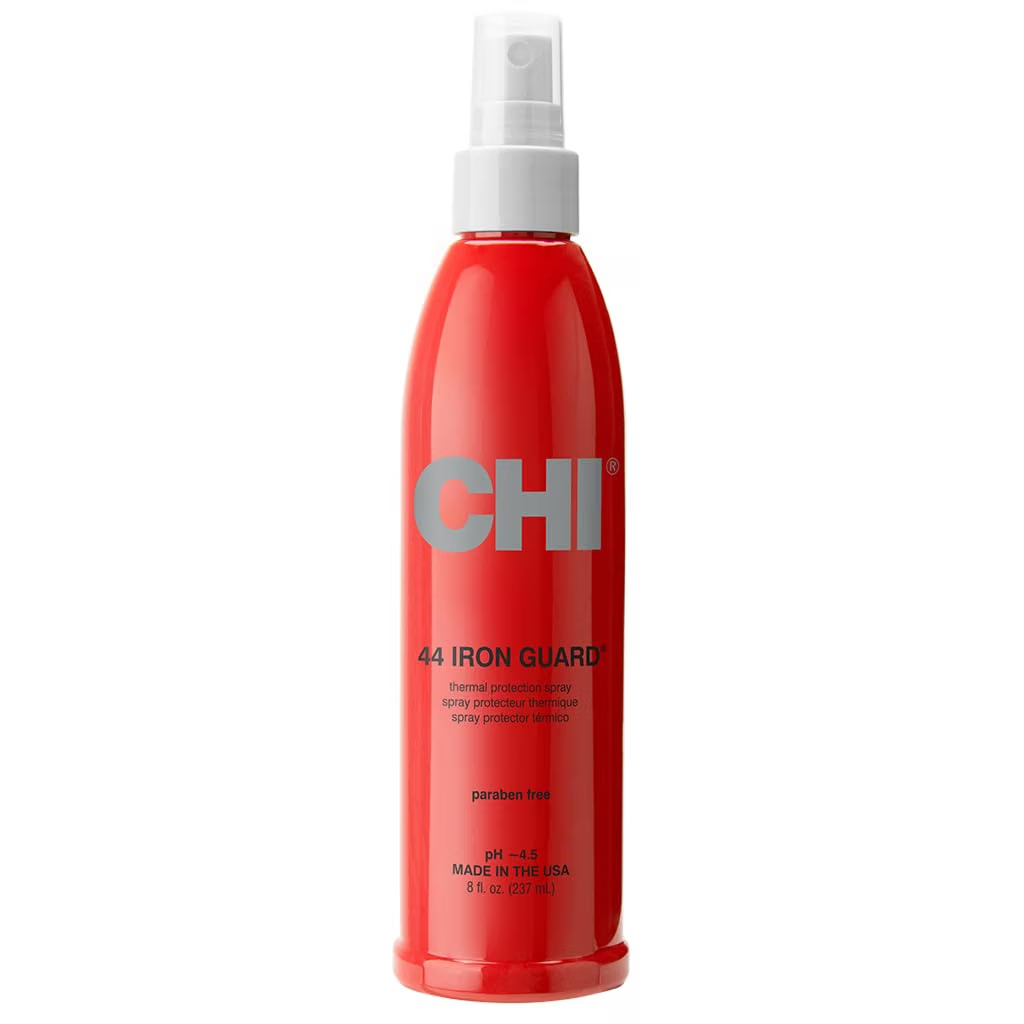
We recommend CHI 44 Iron Guard Thermal Protection Spray. It’s verified 91 percent free of common allergens, and its real job is protecting hair from heat before damage happens, not fixing hair after the fact. Use it on dry hair before any heat styling tool, every single time, not just occasionally.
Improve the appearance and feel of existing damage
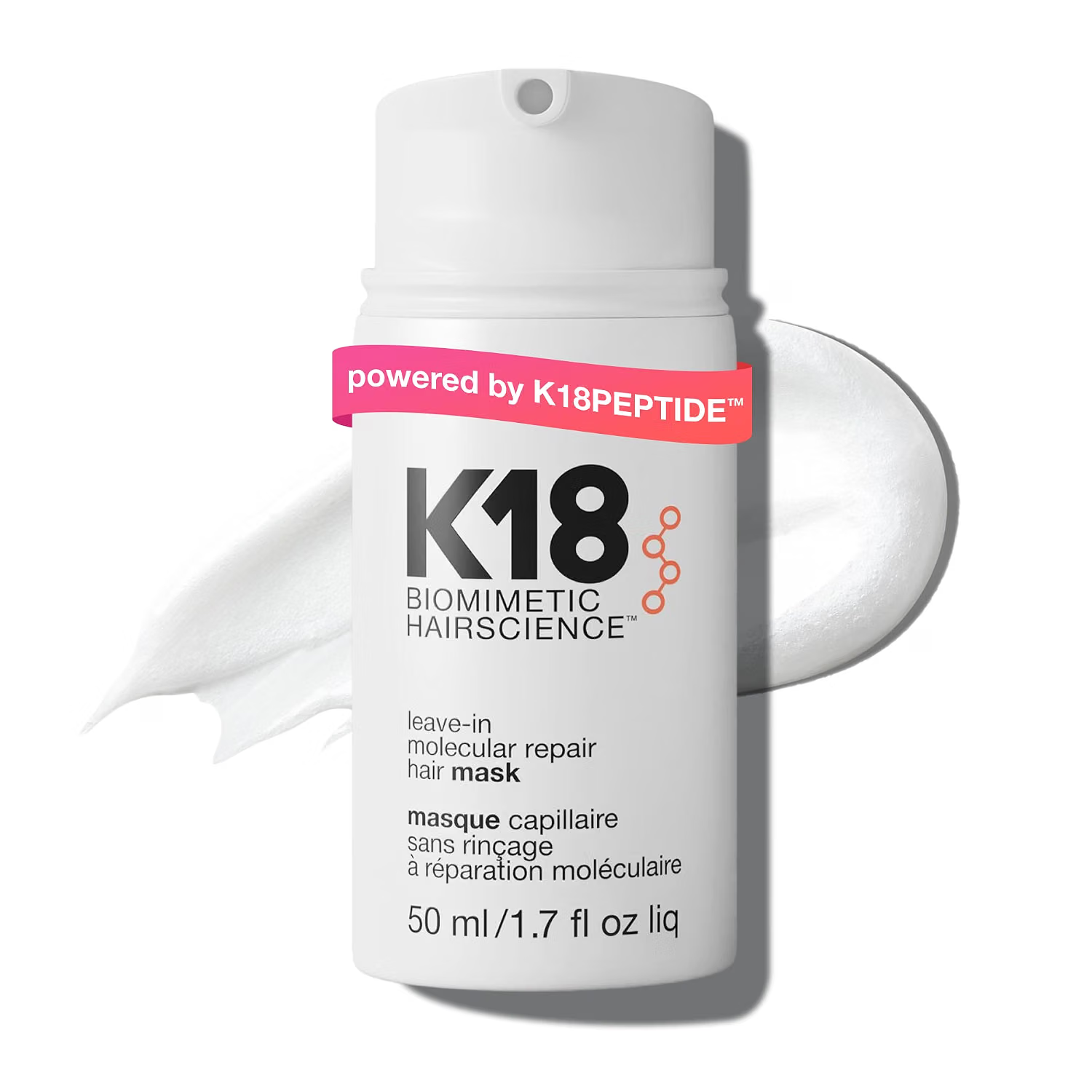
We recommend K18 Biomimetic Hairscience Mask. The brand’s own research claims it targets bonds inside the hair, not just the surface, which is a more specific claim than most “repair” products make. Being fully honest, this can meaningfully improve how damaged hair looks and behaves, but it does not undo a strand that’s already split, that portion is permanently changed regardless of product used.
Trim regularly
For hair that’s already significantly damaged, especially with split ends, a trim removes the portion that genuinely cannot be improved by any product. This isn’t a failure, it’s the only real solution for hair that’s already split.
Frequently Asked Questions
Q: Are expensive salon treatments any different?
Some, like bond-building treatments, work through a genuinely different mechanism than drugstore products and may offer more meaningful improvement. But the same core limit applies, a fully split or broken strand can’t be reversed by any treatment, salon or otherwise.
Q: How do I know if my hair is too damaged to save?
If a strand is visibly split or breaks with almost no tension, that portion is permanently affected. The hair growing in above it, if protected going forward, will be healthy.
A Note on Our Approach
This is based on peer-reviewed research on hair fiber damage, with sources linked throughout for you to verify directly. We’ve been intentionally direct here, even when it means not promising a fix a product can’t actually deliver, because that’s more useful to you than a comfortable claim that isn’t true.
Last updated: August 2026