
By Radiance Advisor | Independent Cosmetic Research Writer
Your foundation isn’t going bad. It’s reacting, the same way a sliced apple reacts to air.
— Radiance Advisor
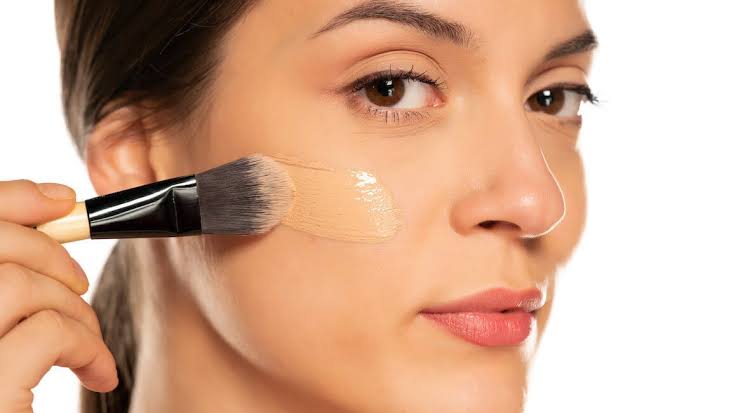
If your foundation looks perfect at 9am and darker or more orange by noon, that’s called oxidation. It’s a real chemical reaction. It’s not your skin’s fault, and it’s not a bad shade match.
What Oxidation Actually Is
Oxidation happens when something reacts with oxygen and changes. It’s the same thing that turns a sliced apple brown. Most foundations use iron oxide pigments for their tan, beige, and warm tones. Real cosmetic chemistry research shows these pigments reflect less light and look darker once they touch oil or water (source).
As one should keep in mind, however, this phenomenon pertains to cosmetics chemistry and does not involve any particular research done by applying foundation on a person for 24 hours. It is a known fact, nevertheless.
Three things speed this up on your skin
- Your natural oil (sebum)
- Your skin’s pH
- And simply time and air exposure (as the day goes on)
Why It Happens Faster for Some People
If you have oilier skin, you’ll notice oxidation faster. More oil means more chances for the pigment to react. A thick layer of foundation makes it worse too. More pigment is touching oil and air at once, so the reaction has more to work with.
| What It Does | Thin Layer, Oil-Controlled Skin | Thick Layer, Oily Skin |
|---|---|---|
| Pigment exposed to oil | Limited | High |
| Speed of color shift | Slower | Faster |
| Typical result | Subtle shift | Noticeable, sometimes dramatic |
The Fix
Control the oil before foundation goes on
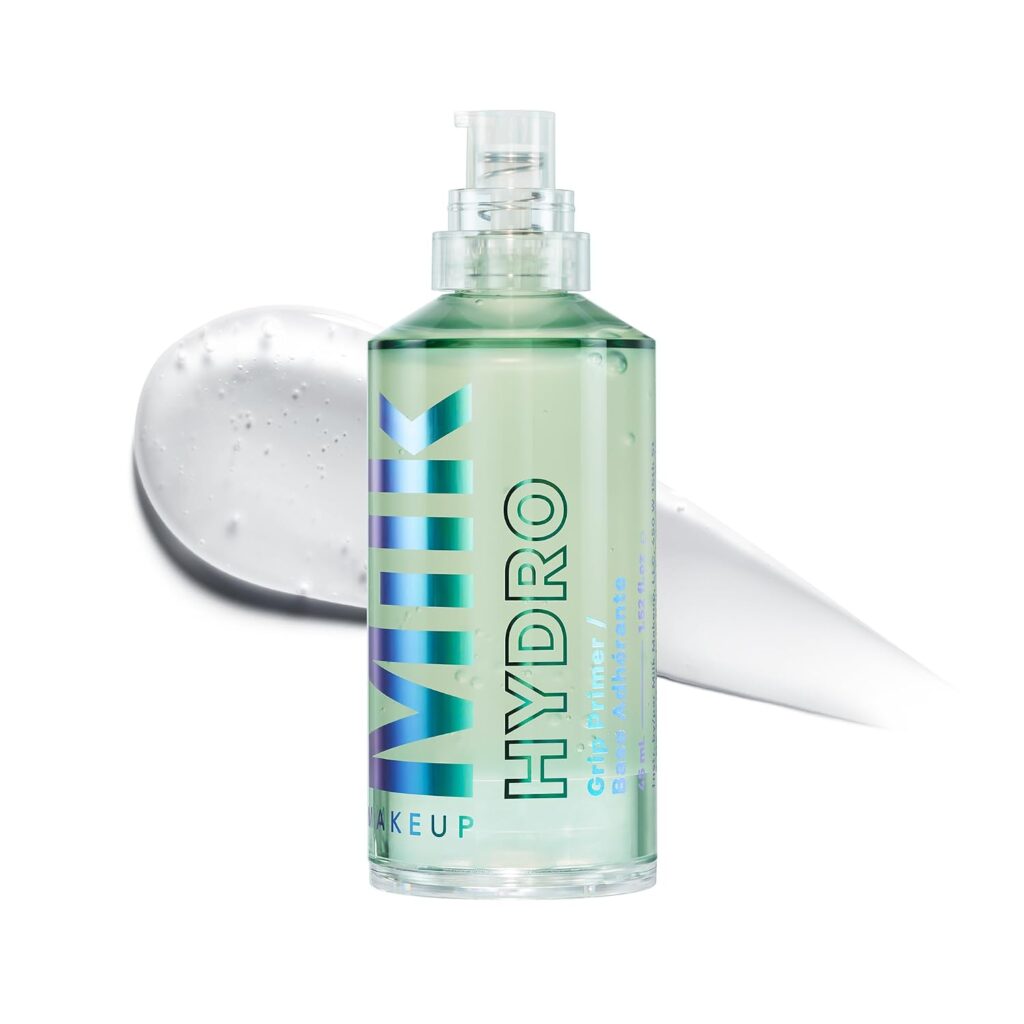
We recommend Milk Makeup Hydro Grip Primer. It’s oil-free and silicone-free. It uses blue agave extract, which helps cut down extra oil. Less oil touching the pigment means less fuel for the reaction to even start.
Use less product than you think you need
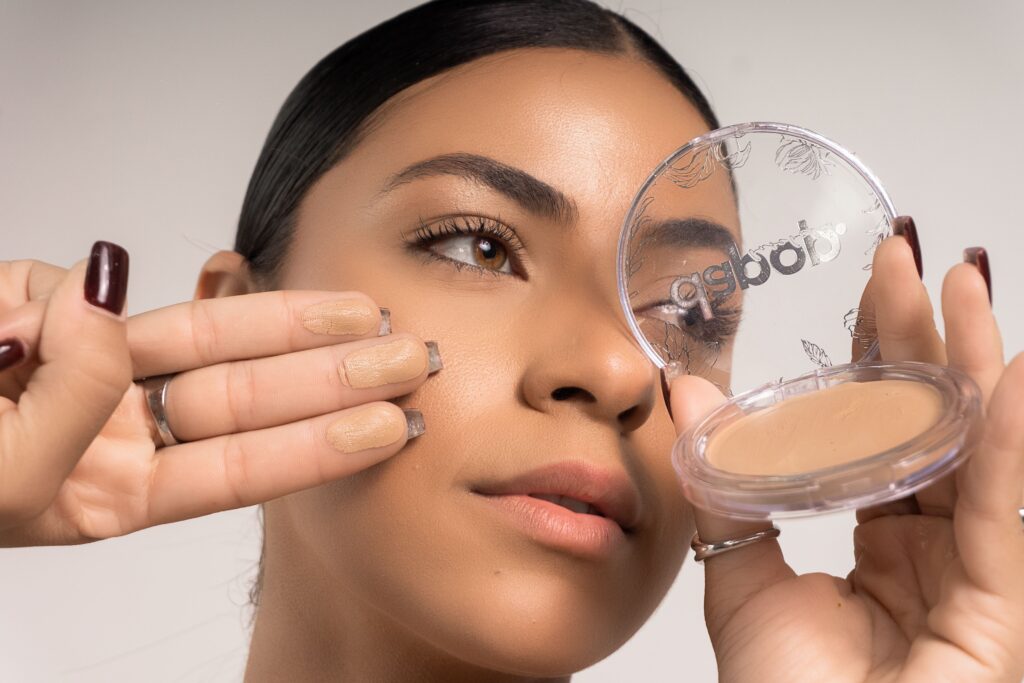
A thicker layer means more pigment touching oil and air. Apply a thin layer first. Build up only where you actually need coverage, instead of one heavy layer everywhere.
About your skin’s pH, here’s the honest part
There’s no product fix for this one. Your skin’s natural pH is largely something you’re born with, not something a primer or foundation can meaningfully change. If pH is a big factor for you, oxidation may still happen even with a good primer and a thin layer, the two steps above just reduce it, they don’t remove it completely.
Frequently Asked Questions
Q: Will a setting powder stop oxidation?
It can slow it down. Powder blocks some air and oil from reaching the pigment. But it won’t undo a reaction that’s already started.
Q: Does oxidation mean the product is expired or bad?
Not necessarily. Oxidation happens because of your own skin chemistry. Even a fresh, unexpired product can oxidize if it reacts with your oil and pH.
A Note on Our Approach
This is based on real cosmetic chemistry and formulation science. Sources are linked throughout so you can check them yourself. Results vary a lot from person to person, based on your own oil and pH. What oxidizes fast on one person might barely change on someone else.
Last updated: August 2026