


By Radiance Advisor | Independent Cosmetic Research Writer
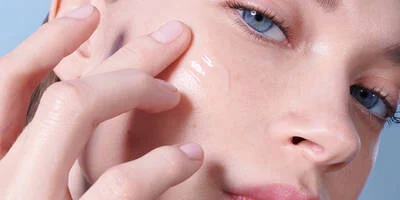
Skin doesn’t absorb on command. It absorbs on its own timeline, and rushing it just leaves product on the surface.
— Radiance Advisor
Pilling occurs when the serum doesn’t absorb but rather forms into tiny little balls on your skin. It’s not wasted because the formula is bad, it’s wasted because of timing.
Why This Actually Happens
Skin absorbs topical formulations via a true and quantifiable mechanism known as Percutaneous absorption. The process is gradual rather than instantaneous (source). Reason that this occurs is when you apply the second coat without giving enough time to allow the first one to settle, they blend together rather than the first coating absorbing into the skin.
Worth being upfront about: there is no research showing the existence of any universal time interval that should be left between applications of different products. The recommendations provided by dermatologists always imply short intervals ranging from 30-60 seconds for lightweight products to 2-3 minutes for potent agents like retinoids and acids.
The Real Order, and Why It Matters
Products should go on thinnest to thickest. A thick moisturizer applied before a thin serum physically blocks the serum from reaching skin at all, it’s not about ingredient names, it’s simple physics, a thick barrier stops a thin liquid from getting through.
| What It Does | Rushing Between Layers | Waiting Between Layers |
|---|---|---|
| Product absorbs into skin | Often incomplete | Complete |
| Visible pilling | Common | Rare |
| Product effectiveness | Reduced, sits on surface | Full value reaches skin |
The Fix
A lightweight option for daily use
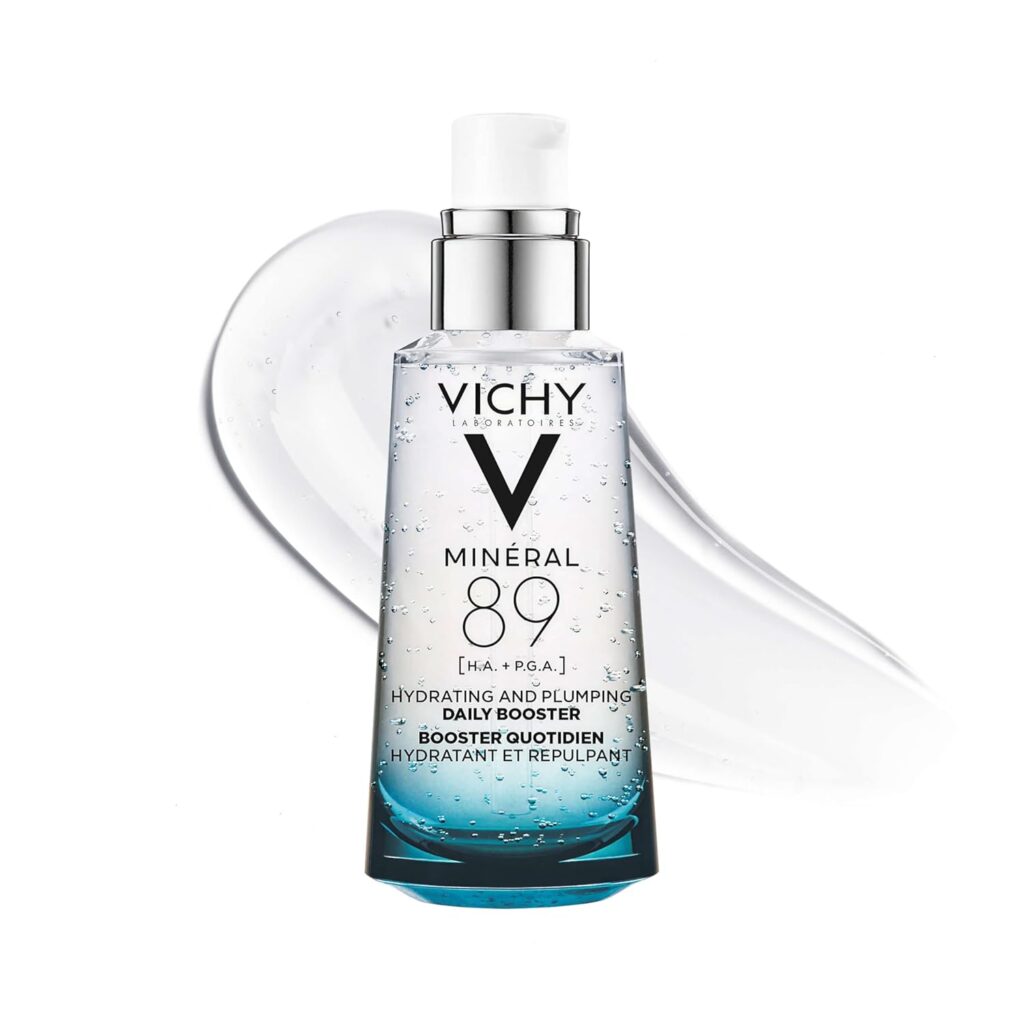
We recommend Vichy Mineral 89. It’s built with just 11 ingredients, kept intentionally minimal, and is specifically formulated to layer well under other products without pilling. Apply it to slightly damp skin right after cleansing, this is the actual first step in a routine, before anything else.
A richer option with proven, longstanding ingredients
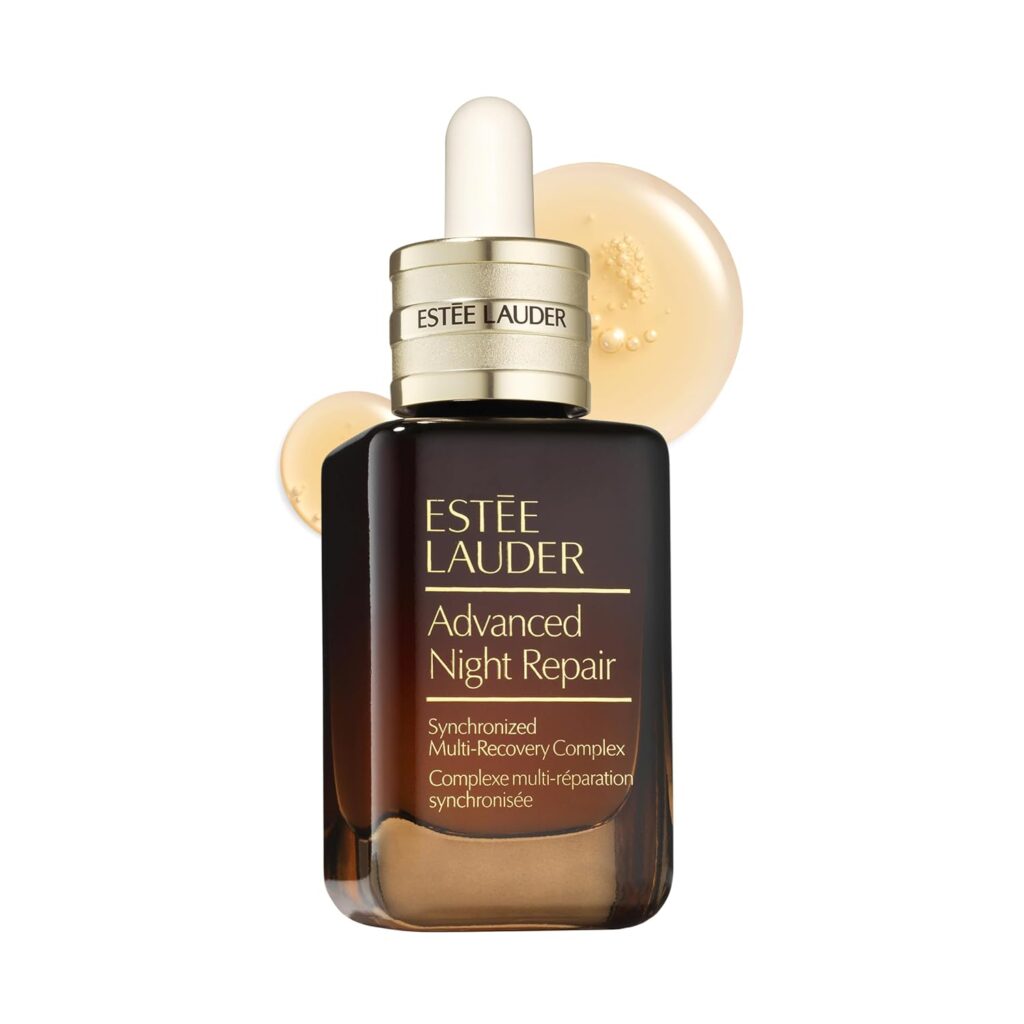
We recommend Estée Lauder Advanced Night Repair. It’s built around hyaluronic acid and peptides, and it’s genuinely one of the most consistently reformulated, best-selling serums in skincare, in production since 1982. Apply it after cleansing, and give it the same short pause as any serum before your next step, that’s true for every product in this routine, not just this one.
A simple technique that makes the biggest difference
This sounds small, but it works. Apply your serum, wait 60 seconds before your next step, use your phone’s timer if you tend to rush. It removes the guesswork.
Frequently Asked Questions
Q: Does this apply to every skincare step, or just serums?
It matters most between any two liquid or gel products, especially serums layered on top of each other. A thick moisturizer at the very end doesn’t need the same wait time, since nothing goes on top of it.
Q: Will pilling hurt my skin?
No, it’s not harmful, just wasteful. The product that pills off isn’t absorbing, so you’re not getting its benefits, but it won’t irritate or damage skin.
A Note on Our Approach
This is based on peer-reviewed research on percutaneous absorption and dermatology guidance on product layering, with sources linked throughout for you to verify directly. If a product consistently pills even with proper waiting, that can also signal an incompatible ingredient combination, worth checking with a dermatologist if it persists.
Last updated: August 2026