
By Radiance Advisor | Independent Cosmetic Research Writer
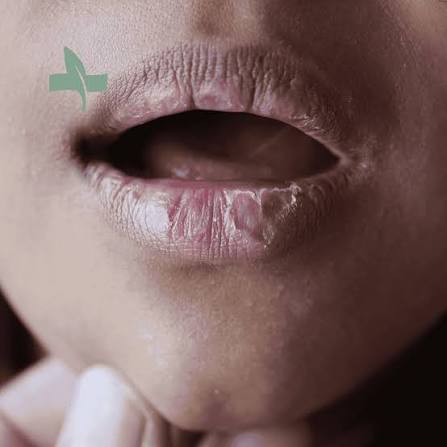
That tingling feeling isn’t relief. It’s your lips telling you something is wrong.
— Radiance Advisor
If you reapply lip balm constantly and your lips never actually get better, the balm itself might be the reason. This is a real, documented pattern in dermatology research, not just bad luck (source).
The Real Cycle
Peer-reviewed research on lip dermatitis describes a specific cycle: dryness leads to reapplying balm, certain ingredients in that balm irritate the thin skin of the lips, which leads to more dryness, which leads to reapplying even more (source).
The ingredients most associated with this cycle include menthol, camphor, phenol, and the fragrance or flavor. There is another study conducted by peers, which highlighted the allergies associated with several ingredients in lip balm.(source).
Here’s why it feels like it’s working even when it isn’t. Menthol and camphor numb the skin, producing a cooling or tingling sensation. That sensation feels like relief, but it isn’t healing anything, it’s just blocking the feeling of irritation temporarily.
Ingredients That Help vs. Ingredients That Irritate
| What It Does | Irritating Ingredients | Helpful Ingredients |
|---|---|---|
| Common examples | Menthol, camphor, phenol, fragrance | Petrolatum, shea butter, beeswax, ceramides |
| What it actually does | Numbs skin, creates false sense of relief | Seals in moisture, supports healing |
| Effect over time | Worsens the cycle | Breaks the cycle |
The Fix
Step 1: Switch to a lip balm without the irritants
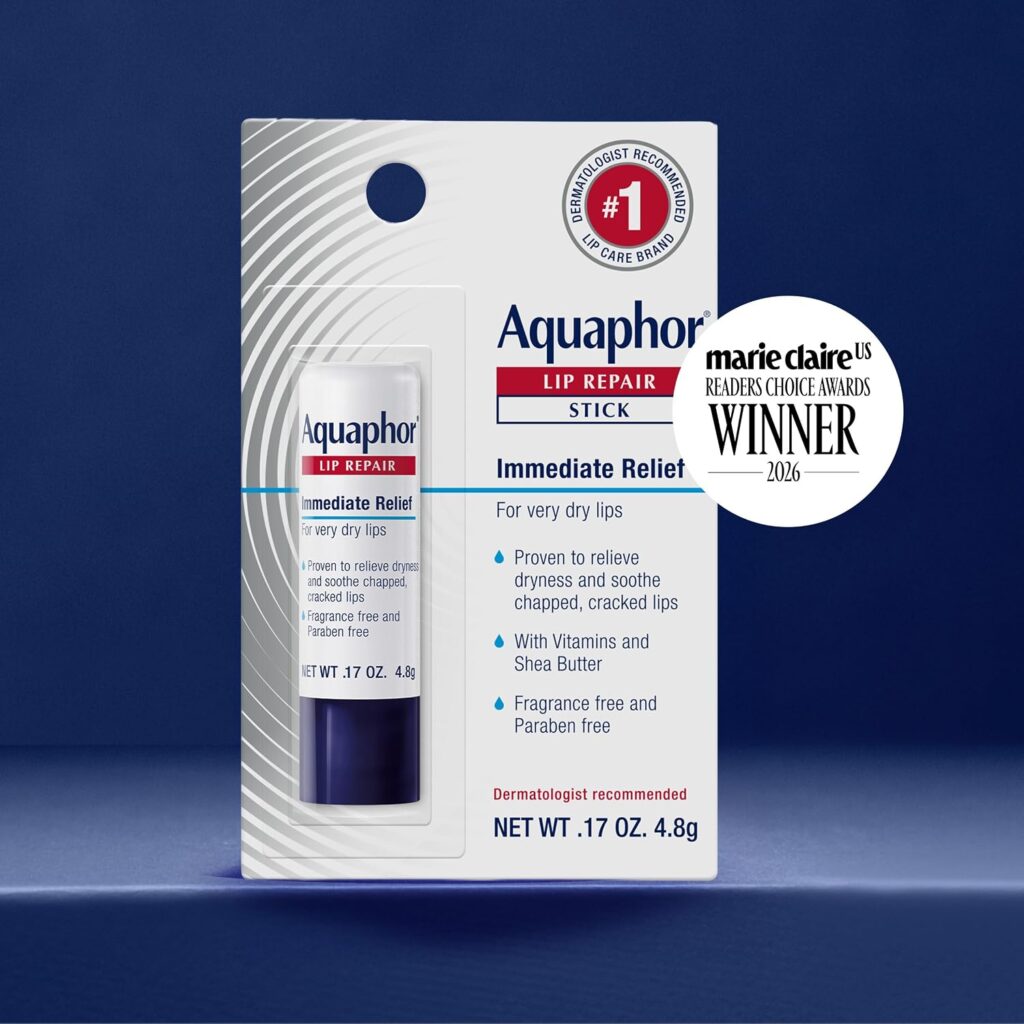
We recommend Aquaphor Lip Repair Stick . It’s confirmed free of fragrance, dyes, and the most common allergy-causing ingredients, and it’s built around shea butter and jojoba oil, ingredients that actually support healing rather than just masking discomfort.
Step 2: For lips that need more repair, go with a barrier-focused balm.
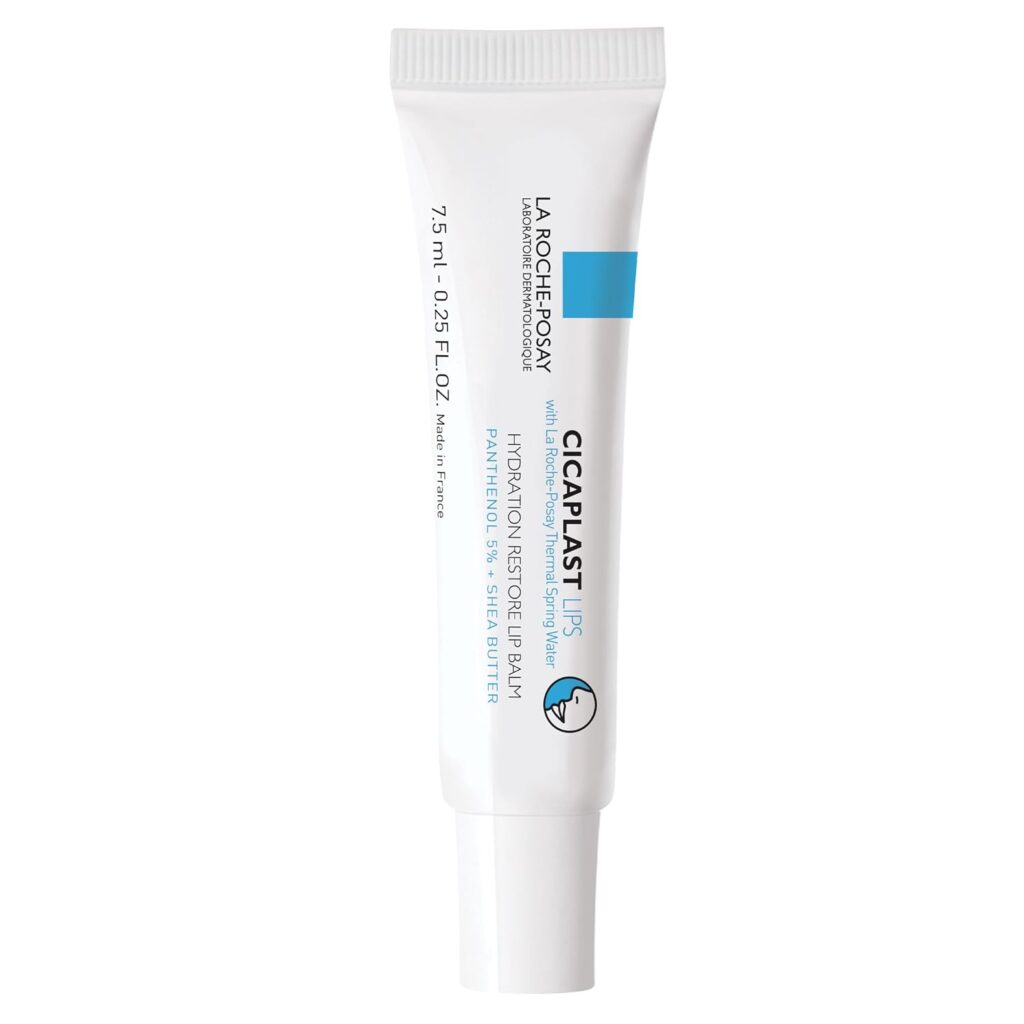
We recommend La Roche-Posay Cicaplast Lip Balm B5. It’s fragrance-free and built around shea butter, which forms a protective layer that helps damaged lip skin actually recover, not just feel temporarily soothed.
Step 3: Stop licking your lips
This matters as much as the product itself. Saliva breaks down the lip’s protective barrier as it evaporates, which is its own separate cause of the same cycle (source).
Frequently Asked Questions
Q: How long does it take to break the cycle?
Most people notice real improvement within 1 to 2 weeks of switching to an irritant-free balm and stopping lip licking, though healing an already-cracked barrier can take longer.
Q: Are “medicated” lip balms actually better?
Not necessarily. Many medicated balms specifically contain menthol, camphor, or phenol for that “medicated” feeling, which is exactly the ingredient group linked to this cycle in the first place.
A Note on Our Approach
This is based on peer-reviewed research indexed on PubMed and clinical literature from dermatology journals, with sources linked throughout for you to verify directly. If cracking, bleeding, or irritation continues despite switching products, a dermatologist can check for an allergy or an underlying condition like cheilitis.
Last updated: August 2026