


By Radiance Advisor | Independent Cosmetic Research Writer
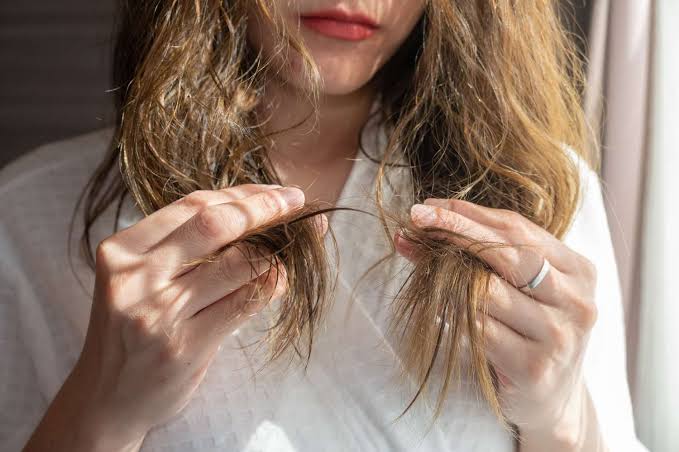
A hair mask that leaves your hair stiff isn’t repairing it. It’s overloading it.
— Radiance Advisor
If your hair feels stiff, coarse, or straw-like right after a “repairing” hair mask, that’s a real, well-documented pattern called protein overload. It happens when hair gets too much protein and not enough moisture to balance it out.
What Protein Overload Actually Means
Your hair is made mostly of a protein called keratin. Hair masks and treatments often add more protein, keratin, collagen, or amino acids, to help repair damage. That’s genuinely useful in the right amount.
Worth being upfront about: “protein overload” is the common term used by hairstylists and the hair care industry, not a formal medical diagnosis. But the actual mechanism behind it is real and measurable. Research on hair fiber mechanics confirms that moisture content directly affects how flexible or stiff hair becomes (source). More moisture makes hair more flexible. Less moisture, especially when there’s a heavy protein coating on top, makes hair stiffer and more likely to snap instead of stretch.
How to Tell If This Is You
- Your hair feels stiff, rough, or straw-like, even right after conditioning
- It snaps quickly when gently stretched, instead of stretching a little and bouncing back
- Your curls have gone flat or lost their bounce
- Breakage is happening mid-strand, not just at the ends
If several of these sound familiar, especially right after using a protein-heavy mask, protein overload is a likely explanation.
Protein Overload vs. Just Being Dry
These two things get confused often, but the fix is different for each.
| What It Does | Protein Overload | Just Dry Hair |
|---|---|---|
| How it feels | Stiff, straw-like, rigid | Soft but rough, limp |
| Stretch test | Snaps quickly, little stretch | Stretches too much, doesn’t bounce back |
| What helps | Removing protein, adding moisture | Adding moisture generally |
The Fix
Clear out the existing protein buildup
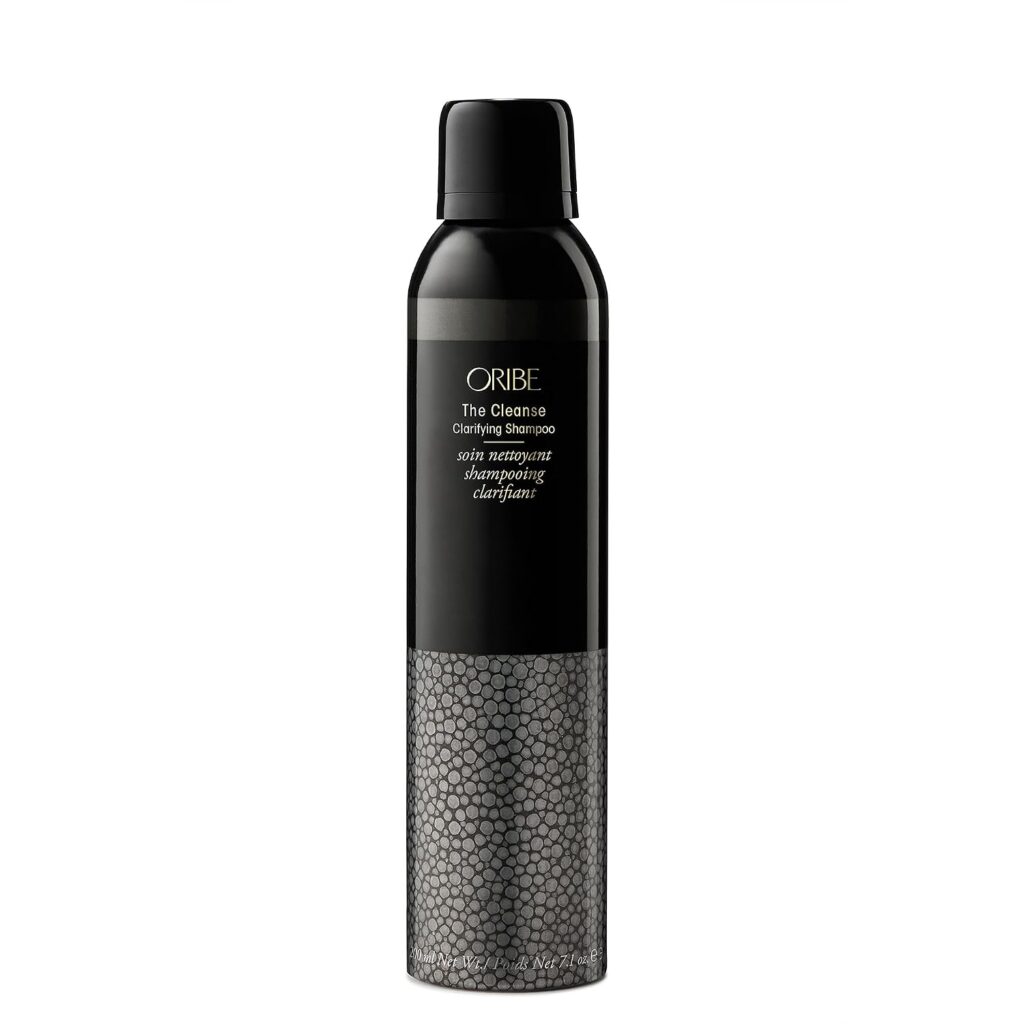
We recommend Oribe The Cleanse Clarifying Shampoo . Its deep-cleansing formula uses volcanic ash and skincare-inspired exfoliants to remove oil, product residue, and mineral buildup while helping preserve the hair’s natural oils. Use it once to reset buildup, then return to your regular shampoo; Oribe recommends using it about once a week or as needed.
Step 2: Rebalance with a moisture-focused mask
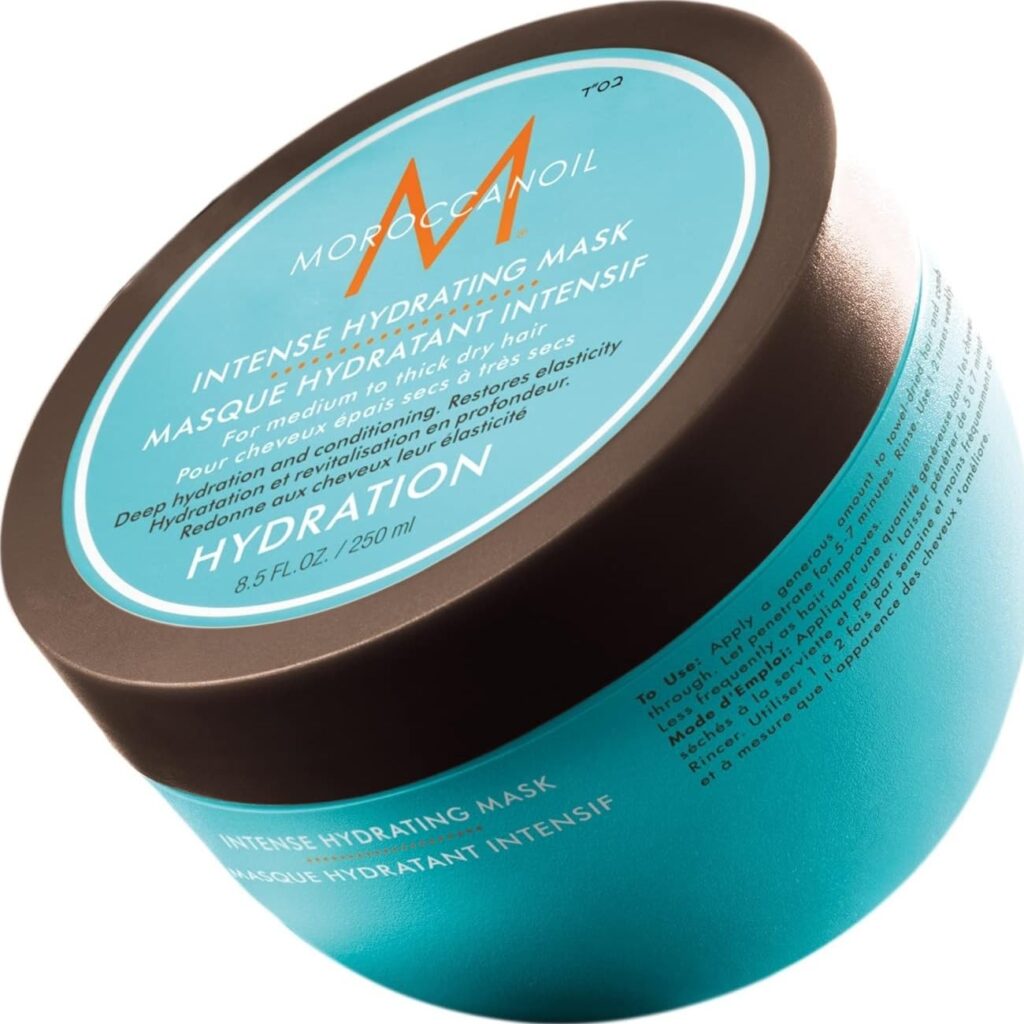
We recommend Moroccanoil Intense Hydrating Mask. Its moisture-focused formula uses argan oil, glycerin, and other conditioning ingredients to help restore softness, hydration, manageability, and shine after clarifying. It is not a protein-free formula, but its primary purpose is intensive moisture rather than protein treatment. Apply to freshly washed, towel-dried lengths and ends, leave on for 5–7 minutes, then rinse thoroughly.
How Often to Use a Protein Treatment Going Forward
- If your hair is chemically treated or color damaged, once every 2 to 4 weeks is usually enough
- If your hair is undamaged, you may not need a dedicated protein treatment at all
- Always follow a protein treatment with a moisture-focused conditioner or mask, not another protein product
Frequently Asked Questions
Q: Can I fix protein overload without a clarifying shampoo?
It’s harder, but possible. Simply skipping protein products for a few weeks while using rich, moisture-focused products can help hair rebalance on its own, just more slowly than clarifying first.
Q: Is protein overload permanent damage?
No. It’s a temporary imbalance, not permanent damage. Hair usually returns to normal within a few washes once the balance between protein and moisture is corrected.
A Note on Our Approach
This is based on real hair fiber mechanics research and established hairstyling knowledge, with sources linked throughout for you to verify directly. If breakage is severe or ongoing despite these steps, a dermatologist or trichologist can check for other underlying causes.
Last updated: September 2026