


By Radiance Advisor | Independent Cosmetic Research Writer

The right eye product depends on what’s actually causing the darkness, not just that darkness is there.
— Radiance Advisor
Dark circles get treated like one problem with one fix. They’re not. Dermatology research has identified three distinct types, and each one needs a different approach (source).
The 3 Real Types
Pigmented circles look brown. They’re caused by extra pigment in the skin under your eyes, often genetic, and made worse by sun exposure.
Vascular circles look blue or purple. The skin under your eyes is thin, so the blood vessels underneath show through more visibly here than anywhere else on your face.
Structural circles look shadowed, not really colored at all. They’re caused by the physical shape of the area, hollowing or puffiness that casts a shadow, not by pigment or blood vessels.
Many people actually have a mix of two types at once, which is part of why a random product doesn’t always help, it might be treating the wrong one entirely.
Pigmented vs. Vascular vs. Structural
| What It Looks Like | Pigmented | Vascular | Structural |
|---|---|---|---|
| Color | Brown | Blue or purple | Skin-toned, shadowed |
| Real cause | Extra pigment | Visible blood vessels | Shape, hollowing, or puffiness |
| Fades when skin is stretched | No | Yes | Doesn’t apply, it’s shape, not color |
| Can a cream fix it | ✅ | ✅ | ❌ |
Which Type Do You Have
- Pigmented: when you gently stretch the skin under your eye. If the darkness stays the same and doesn’t lighten, that points to pigment.
- Vascular: when you gently stretch the skin under your eye, if the area lightens noticeably when you stretch it, that points to visible blood vessels.
- Structural: look at the shape, not the color. If you see a visible indent or hollow, especially noticeable in certain lighting, that’s structural.
The Fix, By Type
For pigmented circles
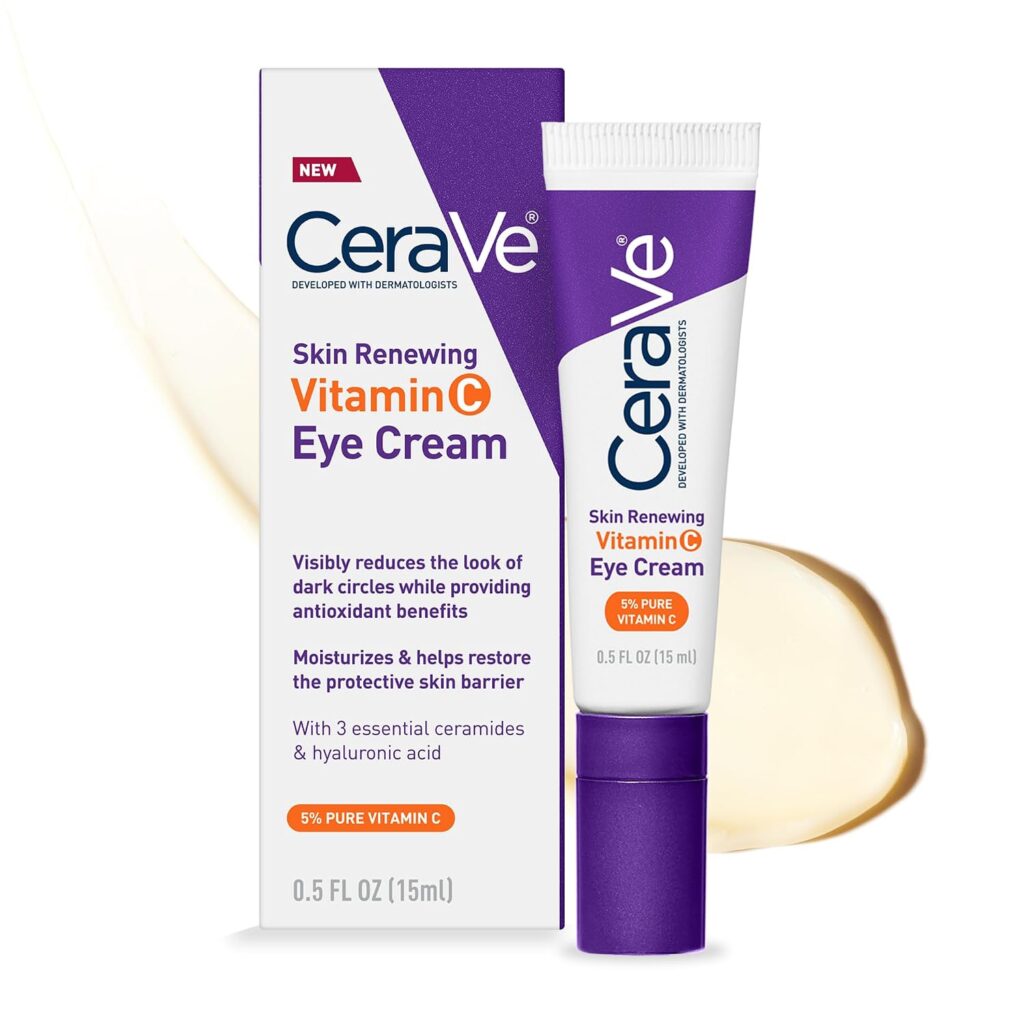
We recommend CeraVe Vitamin C Eye Cream . It uses 5% vitamin C, a genuinely effective brightening ingredient at this concentration, along with ceramides to support the skin barrier while it works. Vitamin C is one of the ingredients actually studied for reducing pigment specifically in the under-eye area.
For vascular circles
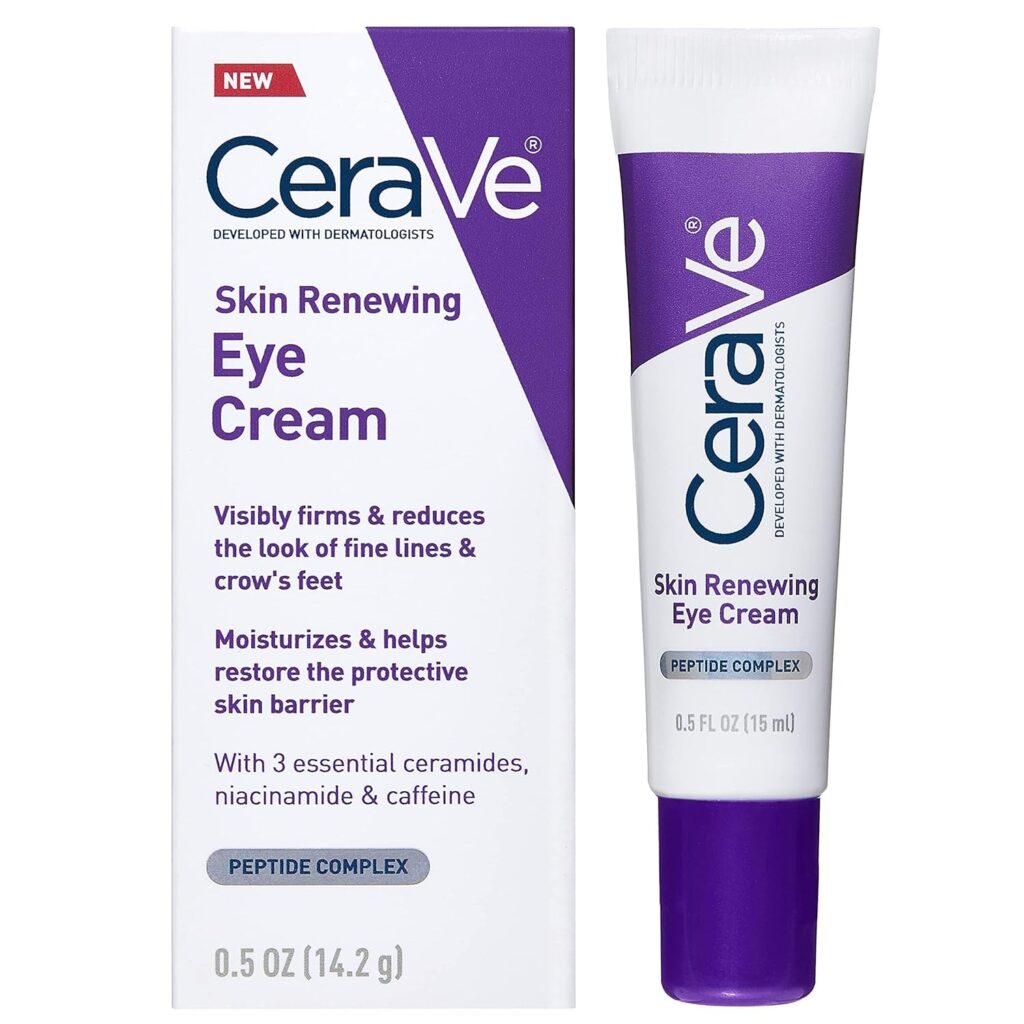
We recommend CeraVe Skin Renewing Eye Cream . It’s built around caffeine, which works by temporarily narrowing the visible blood vessels causing the blue-purple tone. This won’t work for pigmented or structural circles, since neither of those causes involves visible blood vessels.
For structural circles
Here’s the honest part. No cream, however expensive, can fix this. A board-certified dermatologist put it plainly: creams cannot change the physical positioning of the eye area, that’s structural, not something a topical product reaches (source). If this is your main cause, the real options are professional treatments like fillers, which is a conversation for a dermatologist, not a skincare aisle.
Frequently Asked Questions
Q: Can I have more than one type at once?
Yes, this is actually common. Research on this classification specifically notes that mixed types, especially pigmented combined with vascular, are frequent (source). If one product only partly helps, that’s often why.
Q: Will sunscreen help with dark circles?
For pigmented circles, yes, genuinely. Sun exposure worsens pigment, so daily sunscreen around the eye area (a mineral, eye-safe formula) helps prevent pigmented circles from getting darker over time.(To find an good sunscreen click here to read our article on sunscreen)
A Note on Our Approach
This is based on peer-reviewed research indexed on PubMed and clinical literature from dermatology journals, with sources linked throughout for you to verify directly. If dark circles are sudden, painful, or paired with other symptoms, a doctor should rule out other causes like allergies or anemia.
Last updated: August 2026