
By Radiance Advisor | Independent Cosmetic Research Writer
Your eyelids move more than any other part of your face. Makeup has to be built for that, not fought against.
— Radiance Advisor
If eye makeup never lasts as long as everything else on your face, that’s not bad luck or bad products. Eyelid skin is genuinely different from the rest of your face, and it needs to be treated differently.
Why Eye Makeup Behaves Differently
Eyelid skin is the thinnest skin on your entire body, confirmed across multiple anatomical studies measuring skin thickness at different facial sites (source). At its thinnest point, it’s roughly the thickness of a single sheet of paper.
On top of that, your eyelids move constantly, an average of 15,000 to 20,000 blinks a day. That’s real, repeated mechanical movement happening on some of the thinnest, most delicate skin on your face, all day, every day.
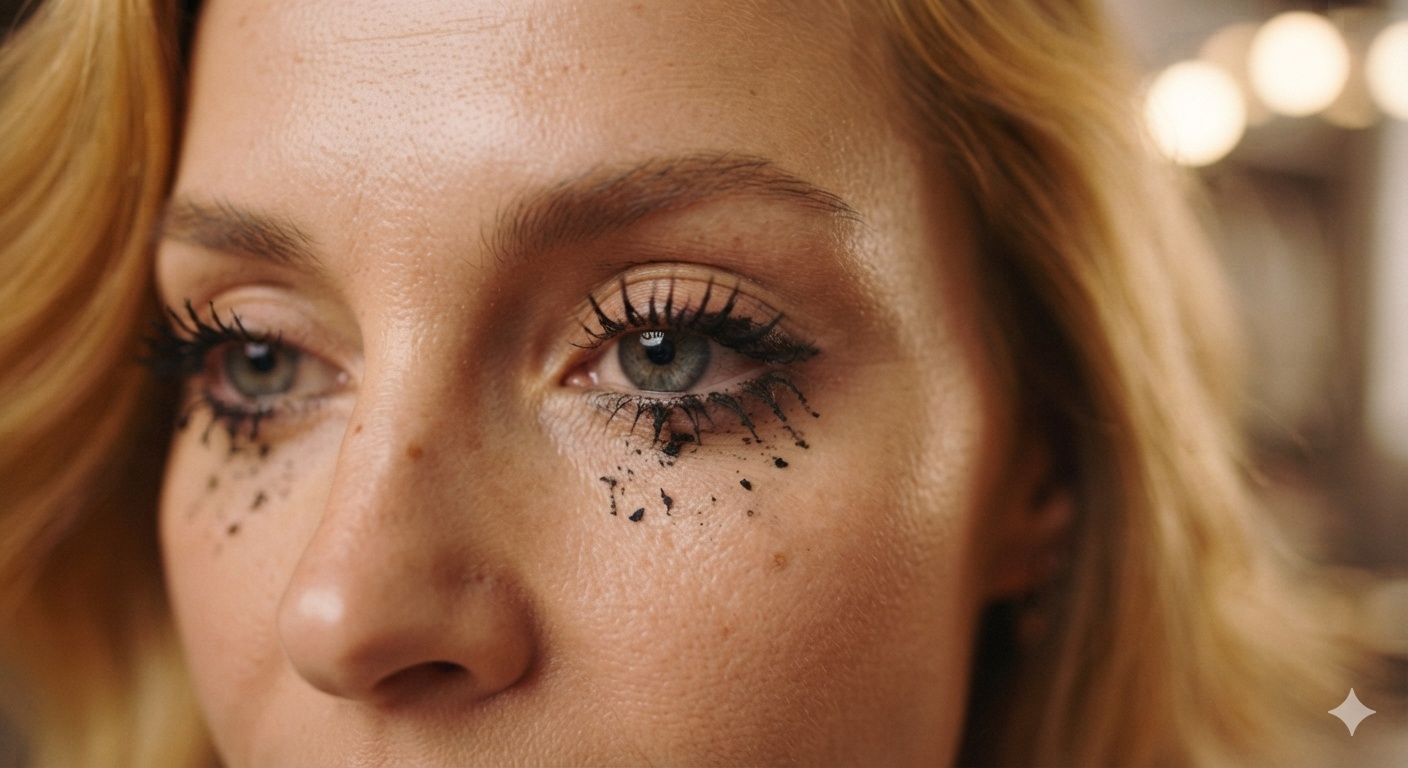
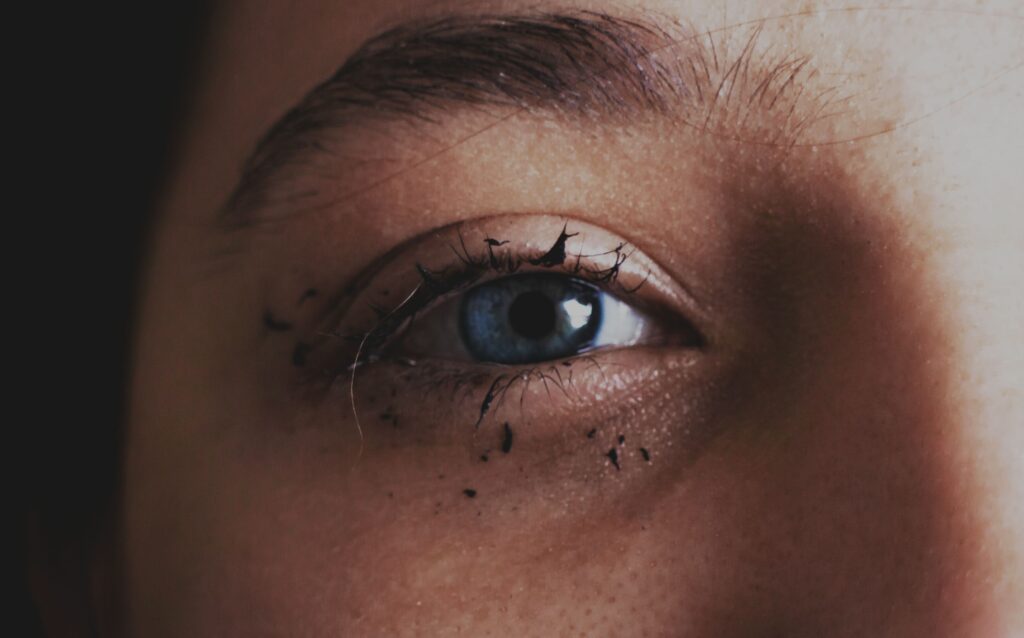
Combine thin, mobile skin with natural oil production, and you get exactly the conditions that cause eyeshadow to crease into the fold, eyeliner to migrate and smudge, and mascara to flake as the product shifts with every blink.
What Each Problem Is Actually Telling You
Eyeshadow creasing means the product settled into the natural crease line of your lid, usually because there was nothing underneath to hold it in place first.
Eyeliner smudging happens most on oilier eyelids, the oil breaks down the product’s grip on the skin throughout the day.
Mascara flaking often means the formula was applied too heavily, or without anything for it to properly adhere to on lashes that are also constantly moving.
The Fix
A primer built to stop creasing and smudging at the source
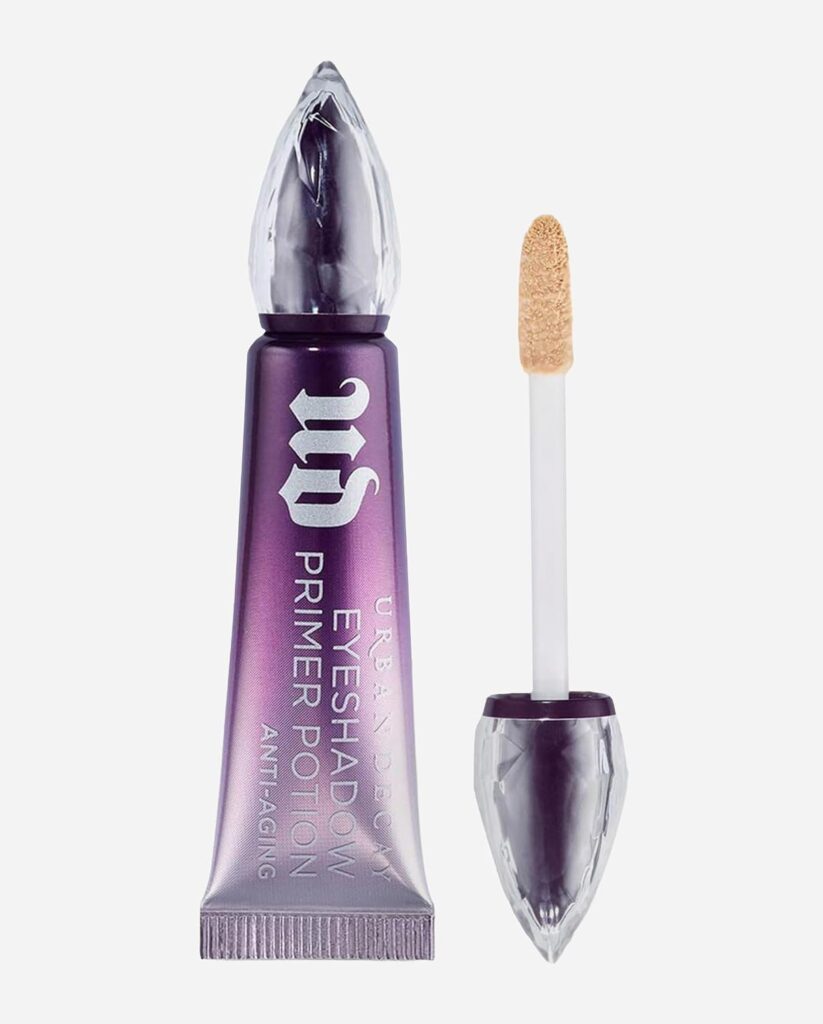
We recommend Urban Decay Eyeshadow Primer Potion . It’s genuinely one of the most established, most reused primers in this category, and it works by creating a smooth, slightly tacky base that helps eyeshadow and eyeliner grip the lid instead of sliding into the crease or fading with oil. Apply it as a thin layer to clean, bare eyelids, before any color goes on.
A second well-established option with genuine cult status
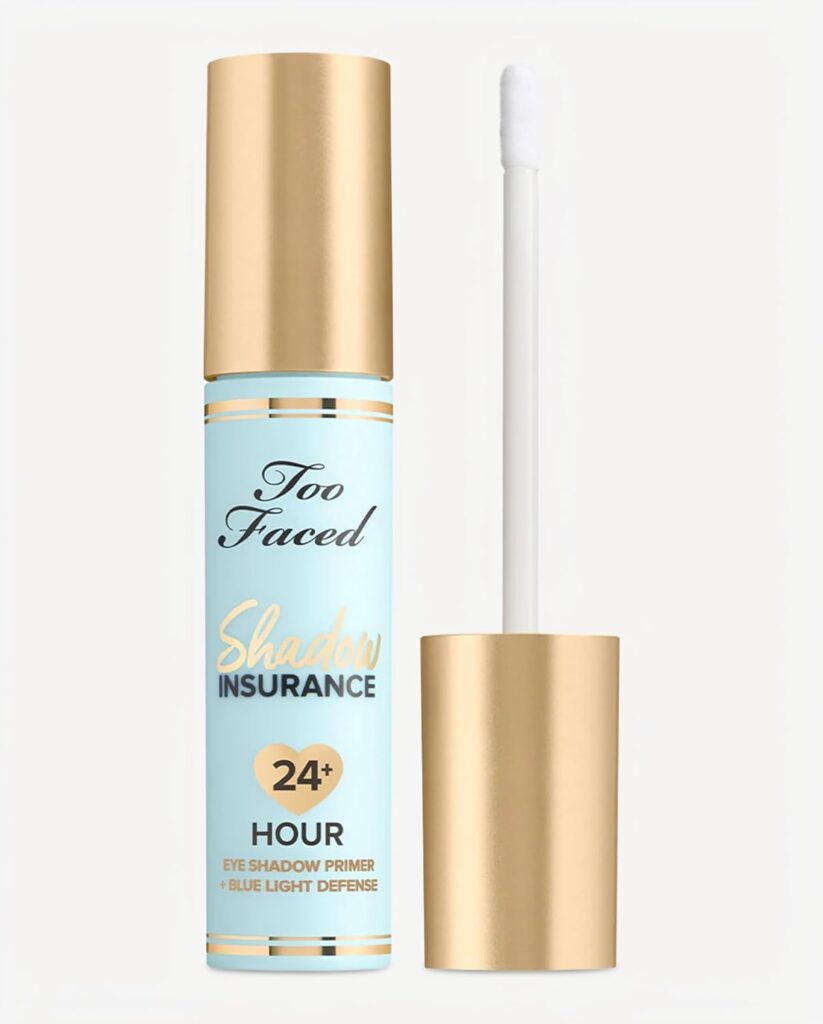
We recommend Too Faced Shadow Insurance. It’s one of the most well-known, longest-running primers in the category, often described as an industry “cult classic,” and it works on the same principle, fighting breakthrough oil so eyeshadow and eyeliner stay put instead of creasing or fading. It’s also verified 91% free of common allergens, so it’s a genuinely safe choice for sensitive eyes.
One thing that matters regardless of which primer you use
Let it dry for about 30 seconds before applying color on top. Applying eyeshadow onto wet primer causes it to drag and blend unevenly instead of setting properly.
Frequently Asked Questions
Q: Do I really need a separate primer, or can I just use a lighter hand with product?
A lighter hand helps a little, but it doesn’t address the actual cause, oil breaking down product over the day. Primer creates a genuine barrier that a lighter application alone can’t replicate.
Q: Does this apply to all eye shapes and skin types the same way?
The core mechanism, thin, mobile, sometimes oily skin, applies broadly, but hooded or more mobile lids tend to crease more visibly, since there’s more fold movement for product to settle into.
A Note on Our Approach
This is based on peer-reviewed anatomical research on eyelid skin and established makeup application principles, with sources linked throughout for you to verify directly. If you experience ongoing irritation from eye makeup specifically, a dermatologist or allergist can help identify whether a specific ingredient is the cause.
Last updated: August 2026