

By Radiance Advisor | Independent Cosmetic Research Writer
Most dark spot treatments focus entirely on fading existing pigment. But According to a peer-reviewed review in the International Journal of Women’s Dermatology, continuous sun protection is the key to preventing the development of new pigment. If there is no sun protection, skin treatment will not be effective or will work very slowly (source).

“You can’t fade a dark spot faster than the sun is creating new ones.“
— Radiance Advisor
The Step Most People Skip
This is something that most individuals may not be aware of. Regular sunscreen only blocks part of the problem. According to a randomized clinical study, sunscreens that contain iron oxide, which also blocks visible light, produced better results than sunscreen that protects only from UV rays (source).
That gap matters because visible light triggers new pigment the same way UV rays do. Switching to an iron-oxide sunscreen closes that gap, which is why it’s the first step below. But prevention alone won’t fade the spots you already have, that’s what the second step, a proven treatment ingredient, is for.
Regular Sunscreen vs. Tinted Sunscreen
| Features | Regular Sunscreen | Tinted, Iron-Oxide Sunscreen |
|---|---|---|
| Blocks UV rays | ✅ | ✅ |
| Blocks visible light | ❌ | ✅ |
| Helps prevent new dark spots | Limited | Clinically shown to improve results |
| Best for | General sun protection | Hyperpigmentation-prone skin |
What Else Makes It Worse
- Layering too many brightening products at once, this can irritate skin, and irritation itself can trigger more pigment production, working against the goal
- Treating the spots without treating the cause, active acne or ongoing irritation will keep creating new marks faster than old ones fade
- Picking at breakouts, this is one of the most common, most avoidable causes of new dark spots
The Fix
Step 1: Switch to a tinted, iron-oxide sunscreen
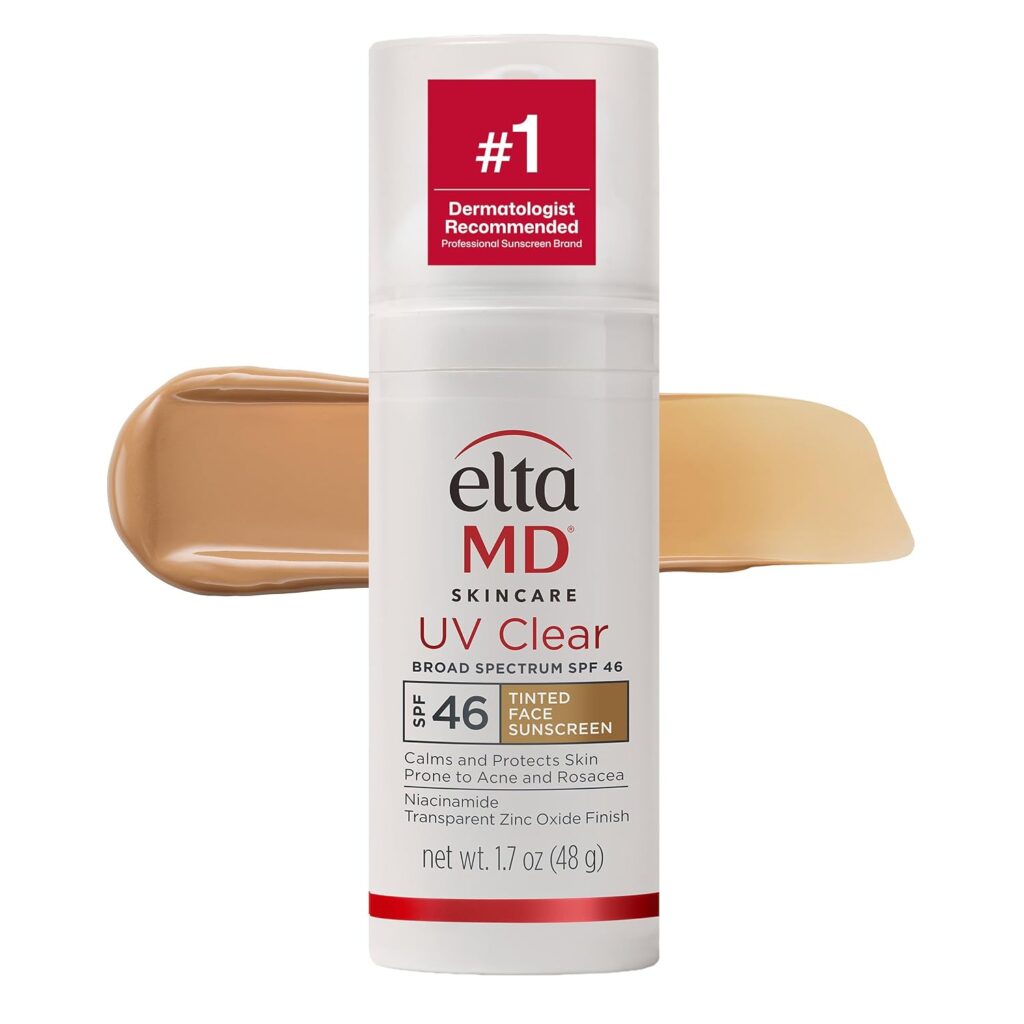
We recommend EltaMD UV Clear Tinted Sunscreen SPF 46 . It contains iron oxides, the specific ingredient shown in clinical research to block visible light, plus niacinamide, which calms inflammation and supports fading of existing marks at the same time. Use it every morning, and reapply if you’re outdoors for extended periods.
Step 2: Treat existing spots with a proven ingredient
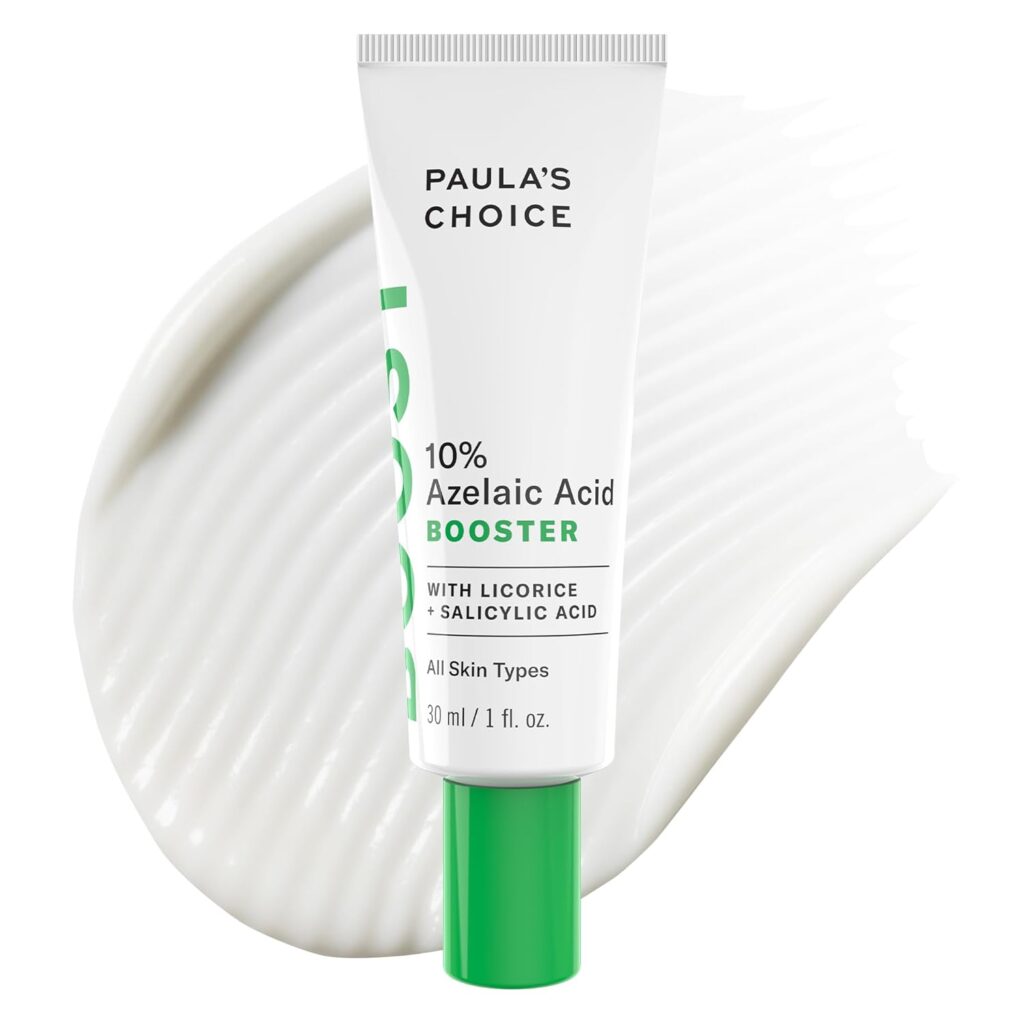
We recommend Paula’s Choice 10% Azelaic Acid Booster . This is the exact concentration used in multiple clinical trials, where azelaic acid produced significantly greater reduction in pigmentation than a placebo over 24 weeks, with results considered comparable to prescription hydroquinone (source). Use it once or twice daily, alone or mixed into your moisturizer.
Step 3: Be patient with the timeline
Real studies measuring azelaic acid’s effect ran for a full 24 weeks, not a few weeks. Expect gradual improvement, not overnight results.
Frequently Asked Questions
Q: How long does it actually take for dark spots to fade?
Most people see initial brightening around 4 to 8 weeks, with more noticeable fading by 3 to 4 months. Deeper or older spots can take longer, sometimes several months, so consistency matters more than speed.
Q: Can dark spots go away completely, or are they permanent?
It depends on where the pigment sits. Spots in the upper layer of skin usually fade well with consistent treatment. Deeper pigment can take much longer and, in some cases, may never fully disappear without professional treatment like a dermatologist-guided approach.
Q: Is this the same thing as melasma?
Not exactly. Dark spots are usually small, localized marks from a healed breakout or sun exposure. Melasma tends to show up as larger, patchy areas, is often linked to hormones, and is generally more stubborn and prone to returning. The iron-oxide sunscreen research cited above was conducted specifically on melasma patients, but the same visible-light mechanism affects both, which is why the same protection step matters for either type.
A Note on Our Approach
This is based on peer-reviewed research indexed on PubMed and clinical literature from dermatology journals, with sources linked throughout for you to verify directly. If pigmentation is severe, spreading, or not improving after consistent use, a dermatologist can assess whether a prescription-strength option is appropriate.
Last updated: August 2026