


By Radiance Advisor | Independent Cosmetic Research Writer
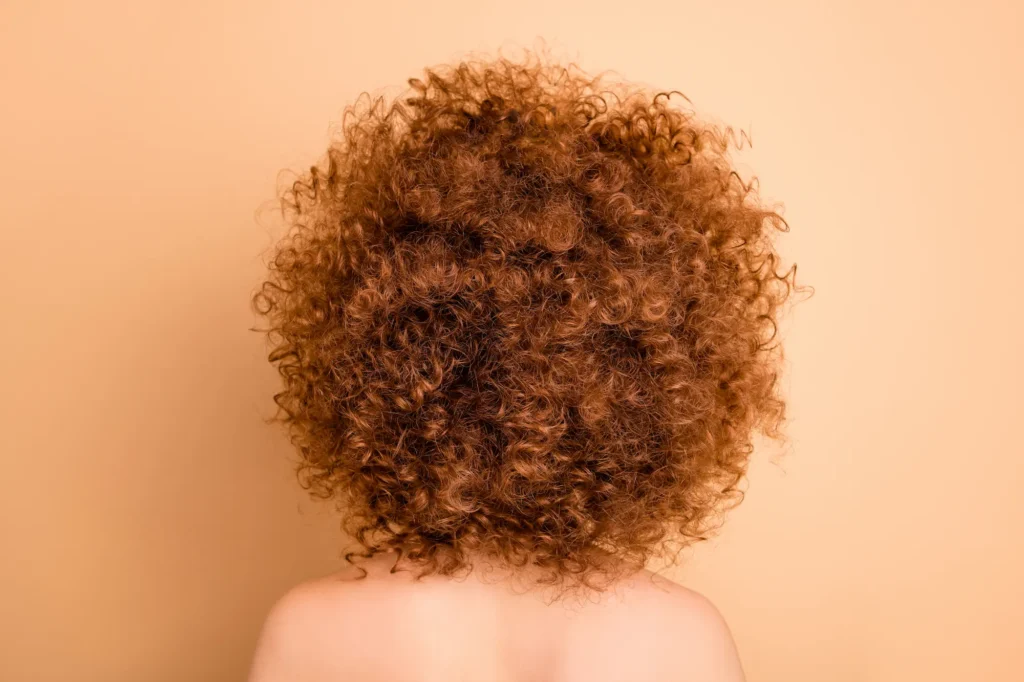
A spring that coils back isn’t broken. It’s doing exactly what a healthy spring is supposed to do.
— Radiance Advisor
If you’ve ever watched your coily hair shrink up right after washing and assumed something had gone wrong, you’re not alone, and you’re not actually seeing damage. You’re seeing your hair’s natural elasticity working exactly as it should.
Why Coily Hair Shrinks, and Why That’s a Good Sign
Coily hair has a genuinely different structure than straight or wavy hair. Instead of a round cross-section, coily strands are flattened and elliptical, which is exactly what causes the tight coil shape in the first place.
Here’s the part most people don’t realize. Real research published in the Journal of Investigative Dermatology studied this directly, testing whether shrinkage was a permanent structural change or a temporary, reversible response. The results were clear, when coily hair was exposed to water, its natural curl pattern reformed, confirming shrinkage is driven by reversible hydrogen bonding, not permanent structural damage (source). The study also found that coily hair behaves mechanically like a coiled spring, and healthy springs are, by design, built to flex and return to shape.
So shrinkage isn’t your hair breaking down. It’s your hair’s elasticity, a sign of strength, doing exactly what it’s built to do.
Why Coily Hair Still Needs Extra Moisture
Elasticity being healthy doesn’t mean coily hair doesn’t have real, genuine challenges, it does, just not the one most people assume.
Natural oil from your scalp is meant to travel down each strand to keep it moisturized. A peer-reviewed review on hair cosmetics confirms that this process is genuinely harder in tightly coiled hair, the twists and turns in the strand make it difficult for oil to travel the full length (source). That’s why coily hair tends to be drier at the ends specifically, not because anything is wrong, but because of the coil shape itself.
The same tight coil shape also means every bend is a small point of mechanical stress. It’s the same reason something with a sharp bend is easier to snap than something with a soft curve, so coily hair can be more prone to breakage at these bend points if it isn’t kept adequately moisturized.
Shrinkage-Related Damage vs. Normal Shrinkage
The confusion isn’t really about shrinkage itself, it’s about what you do in response to it. Some common styling habits meant to “fight” shrinkage can cause real damage, even though shrinkage on its own doesn’t.
| What It Does | Normal Shrinkage | Damage From Fighting Shrinkage |
|---|---|---|
| What’s happening | Natural, reversible elasticity | Overstretching or excessive heat to force straightness |
| Is it harmful on its own | No | Yes, over time |
| What actually helps | Working with the coil pattern | Reducing tension and heat |
The Fix
Moisturize daily, not just on wash day
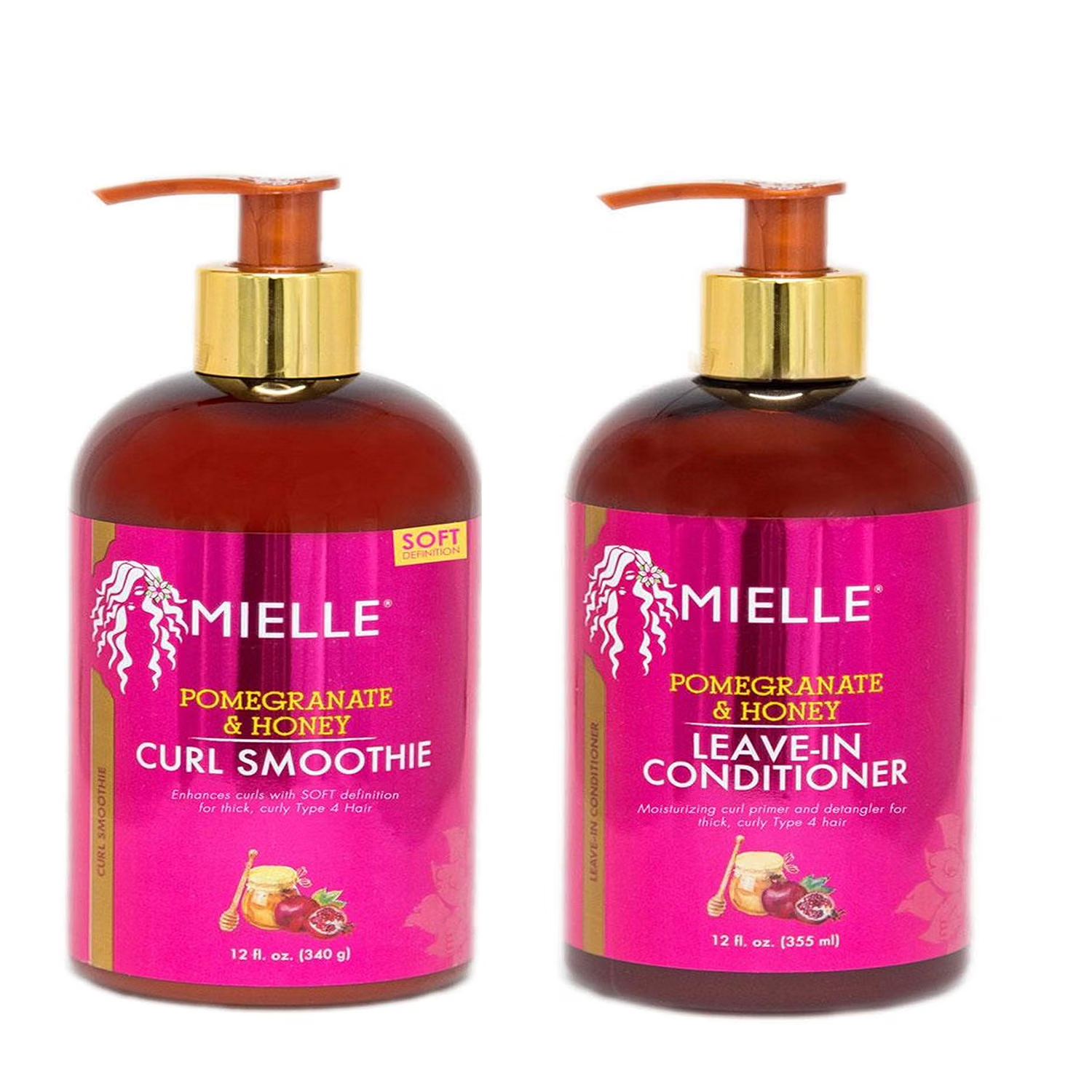
We recommend Mielle Organics Pomegranate & Honey Leave-In Conditioner. It’s built around babassu oil, buriti oil, and honey, genuine humectant and emollient ingredients that help each strand hold onto moisture between washes. Apply it to damp hair, focusing on the ends where dryness shows up first.
Seal that moisture in with a rinse-out treatment
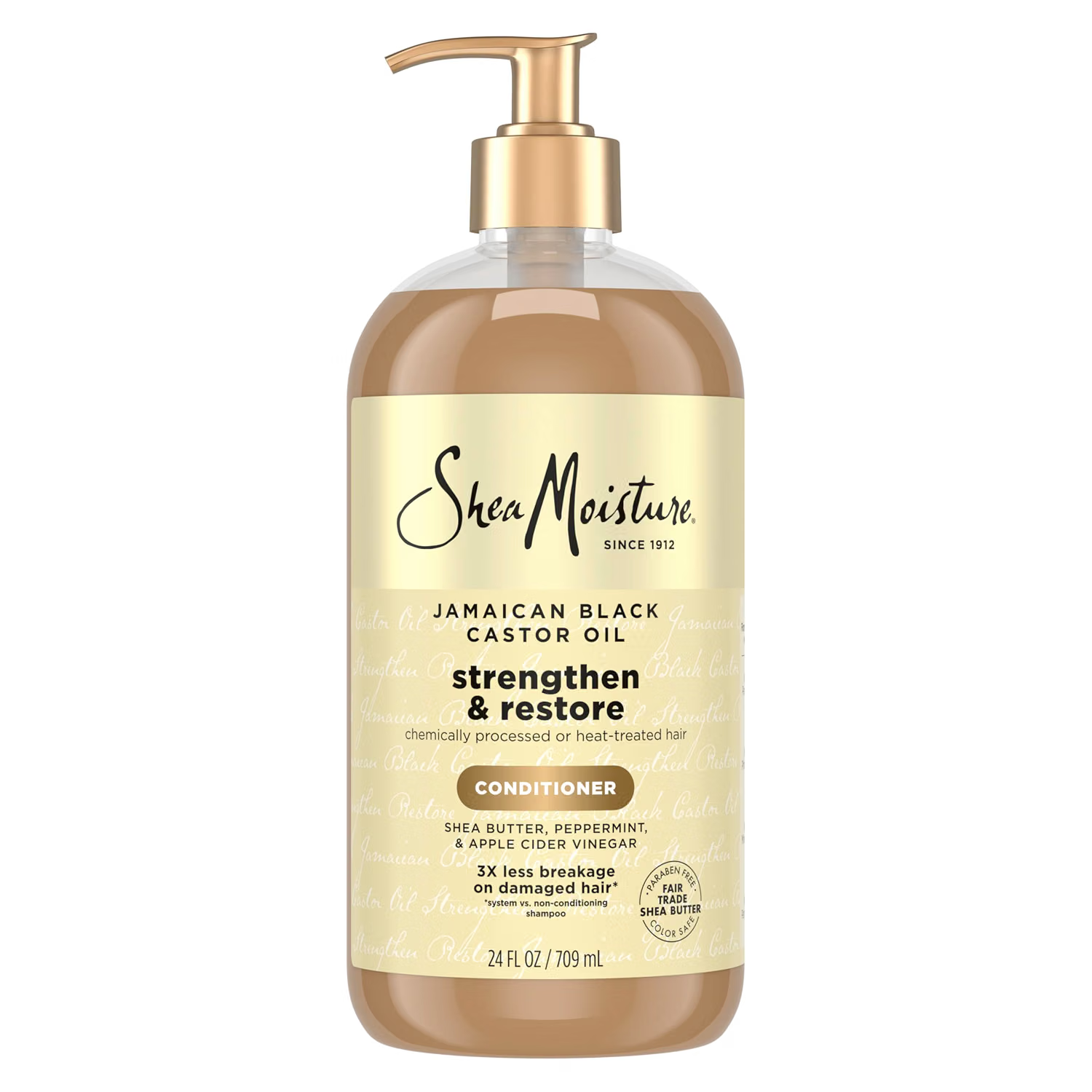
We recommend SheaMoisture Jamaican Black Castor Oil Strengthen & Restore Conditioner. It combines shea butter with coconut oil, and coconut oil specifically has been shown in real research to penetrate into the hair shaft rather than just sitting on the surface (source), which matters for genuinely reaching the parts of coily hair that struggle to get natural oil on their own.
Handle wet hair gently
Coily hair is at its most stretch-vulnerable when wet. Detangle with your fingers or a wide-tooth comb, starting from the ends and working up, rather than pulling straight through from root to tip.
Frequently Asked Questions
Q: Is more shrinkage a sign of healthier hair?
Generally, yes. Since shrinkage comes from elasticity, hair that shrinks more is often showing stronger elastic properties, not weaker ones. Hair that’s lost its elasticity due to damage often shows less shrinkage, not more.
Q: Does stretching my hair to avoid shrinkage cause damage?
It can, if it involves consistent heat or tension. Gentle, low-heat stretching methods like banding or twist-outs are safer than daily blow-drying or flat-ironing to fight the natural coil pattern.
A Note on Our Approach
This is based on peer-reviewed research on hair fiber mechanics and cosmetics science, with sources linked throughout for you to verify directly. If breakage feels excessive despite consistent moisture and gentle handling, a dermatologist or trichologist can check for other underlying causes.
Last updated: September 2026