
By Radiance Advisor | Independent Cosmetic Research Writer
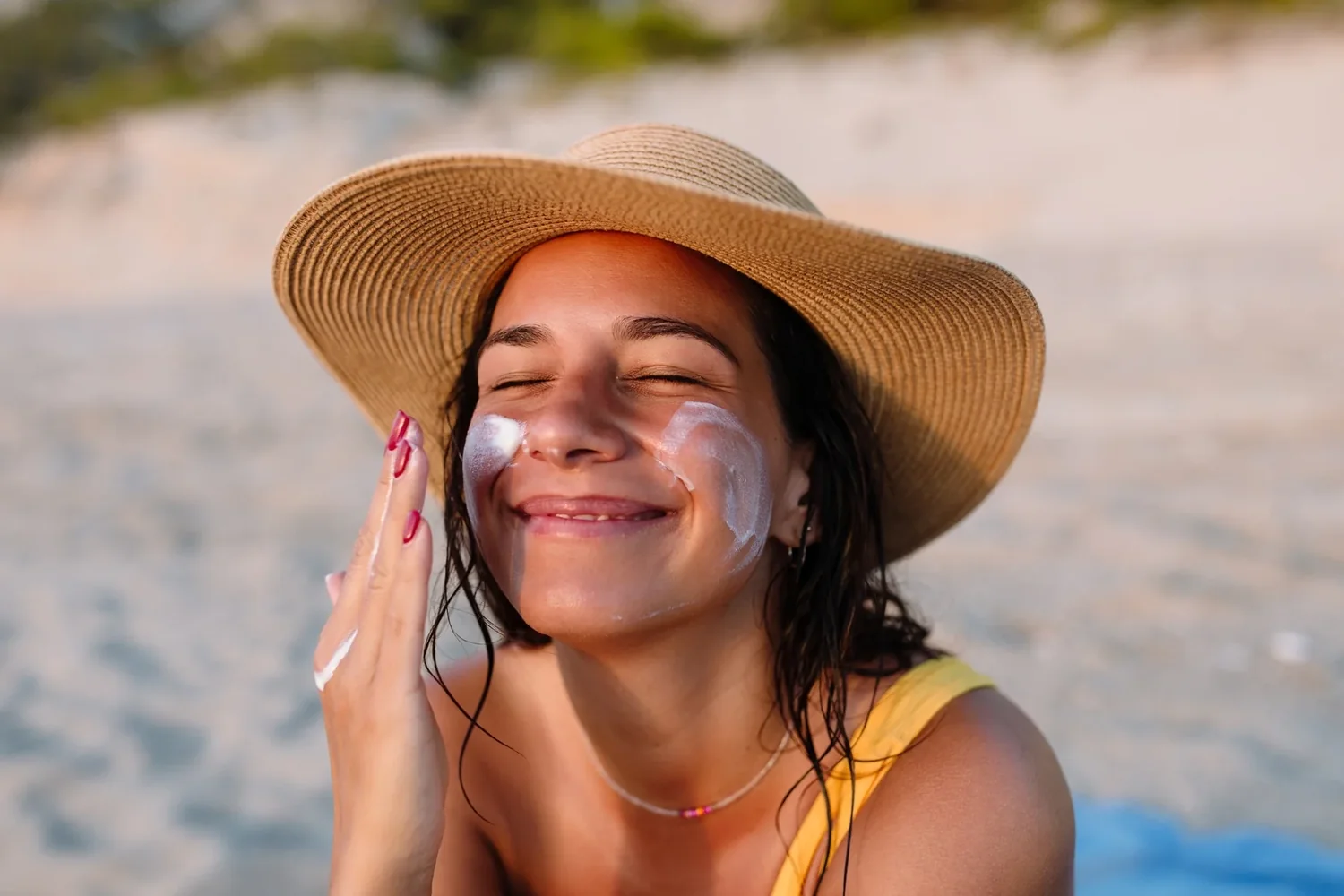
The number on the bottle is a promise. How much you use, and how often, decides whether you actually get it.
— Radiance Advisor
If you wear sunscreen daily and still notice tan lines, sunburn, or new dark spots, the sunscreen probably isn’t failing you. There are two real, well-studied gaps between what’s on the label and what actually reaches your skin, and both are fixable.
Gap 1: You’re Probably Applying Less Than You Think
The SPF number is tested using 2 milligrams of product per square centimeter of skin. Real-world studies found people typically apply only 0.5 to 1.0 milligrams, about a quarter to half of that amount, according to a peer-reviewed review in Photodermatology, Photoimmunology & Photomedicine (source).
Here’s the part most people don’t expect. The relationship between how much you apply and how much protection you get isn’t a straight line, it’s exponential. A clinical study measuring this directly found that cutting the amount in half didn’t just cut the SPF in half, it dropped it far more steeply than that (source).
That’s why an SPF 50 applied too thin can end up performing closer to SPF 20 or 25 in real life, not because the product is weaker, but because there’s simply not enough of it on your skin.
| What It Does | Tested Amount (2 mg/cm²) | Typical Real Amount (0.5 to 1 mg/cm²) |
|---|---|---|
| Matches label SPF | ✅ | ❌ |
| Real protection | Full labeled SPF | Significantly lower |
| What most people actually apply | Rare | Common |
Gap 2: You’re Probably Not Reapplying Enough
Sunscreen doesn’t last all day, even the water-resistant kind. Most guidance calls for reapplying every 2 hours, and sooner after swimming or heavy sweating. In practice, this is the step people skip most, it’s inconvenient over makeup, and easy to forget once the initial application feels “done.”
This matters just as much as the first application, a great sunscreen applied once in the morning still leaves hours of the day unprotected.
How to Actually Use Sunscreen
- Apply it 15 minutes before going outside. This gives the formula time to settle in and start working, rather than being wiped or sweated off right away.
- Use enough. About a teaspoon for your face and neck, or a full shot glass amount for your whole body.
- Don’t forget the easy-to-miss spots. Ears, hairline, back of the neck, and the tops of your feet are the most commonly skipped areas.
- Reapply every 2 hours, and sooner after swimming, sweating, or toweling off.
The Fix
Step 1: Fix Gap 1 with a sunscreen you’ll actually apply generously
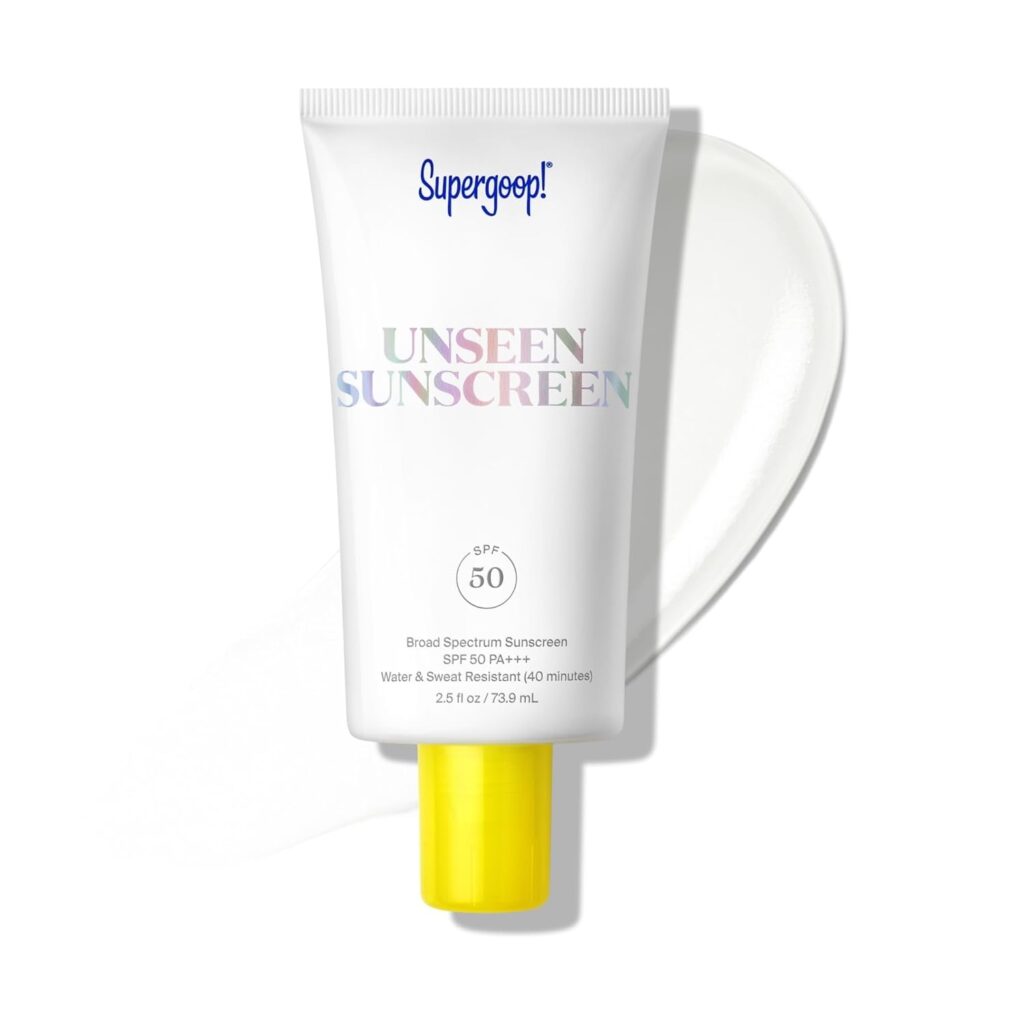
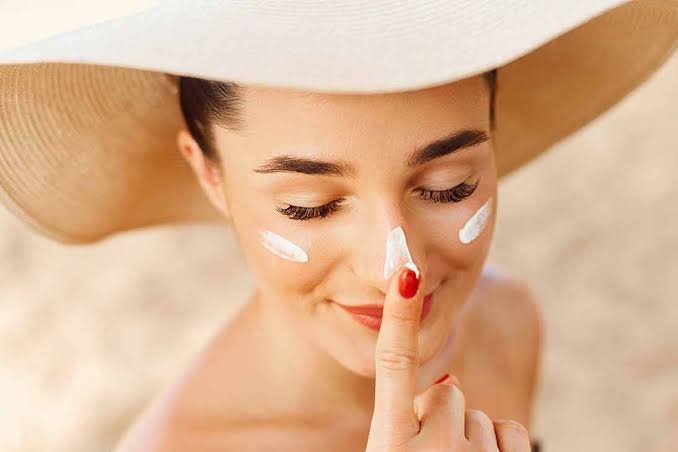
We recommend Supergoop Unseen Sunscreen SPF 50. It’s a broad-spectrum formula with a genuinely weightless, clear finish that also doubles as a makeup-gripping primer, which matters practically, a sunscreen that feels heavy or greasy is exactly the kind people apply too thin to avoid the discomfort. Squeeze a line of product along your index and middle finger, from the base to the first knuckle, that’s roughly the amount dermatology guidance recommends for the face.
Step 2: Fix Gap 2 with a reapplication product you’ll actually use
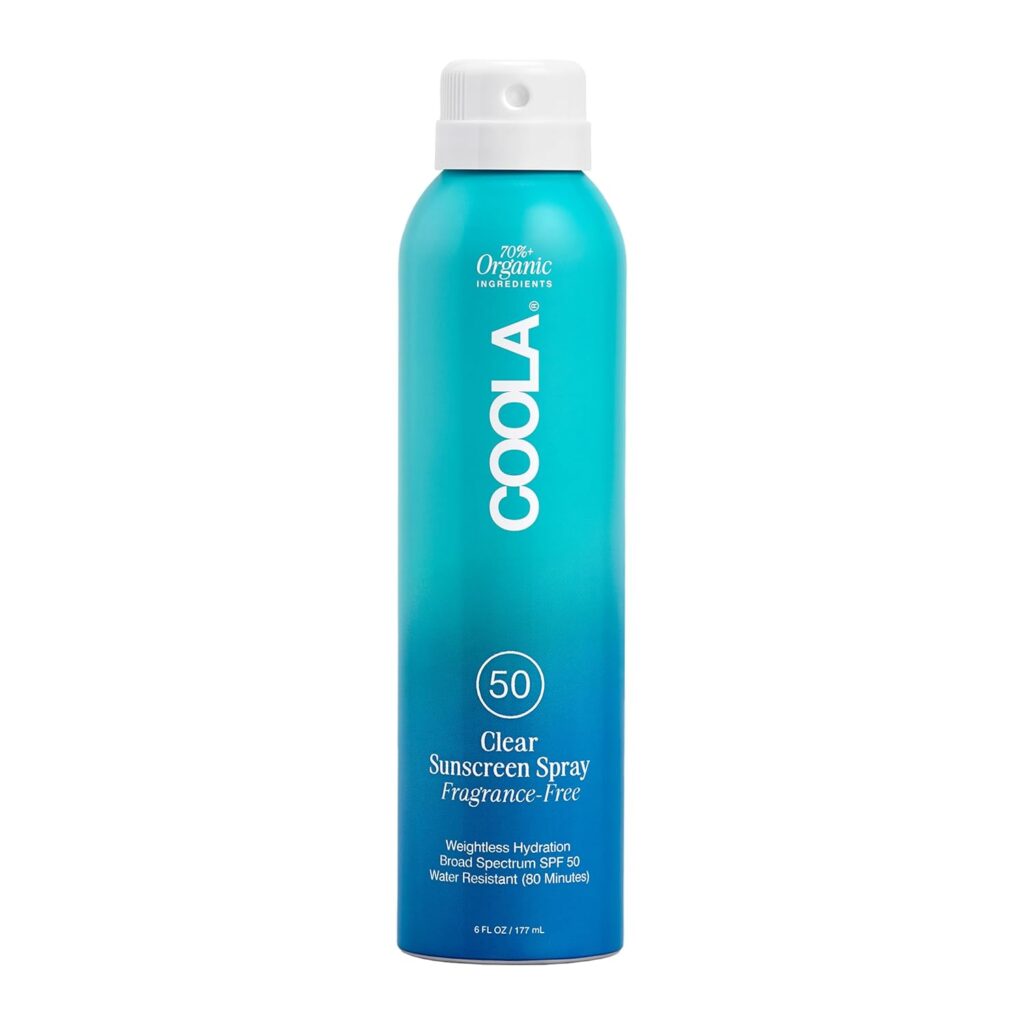
We recommend COOLA Organic Sunscreen Spray SPF 50, Fragrance Free . The spray format solves the real reason people skip reapplying, it doesn’t require touching your face or disturbing makeup, and it’s fast enough to actually fit into a midday break. It’s also vegan and dermatologist tested. One honest caveat: independent reviews note this formula contains alcohol, which can be drying for some skin types, if that’s a concern for you, look for an alcohol-free spray instead.
Frequently Asked Questions
Q: Does a higher SPF make up for using too little?
Somewhat. Research found that very high SPF sunscreens (70 and above) can help compensate for typical under-application better than SPF 30 or 50 can (source). It’s not a full substitute for applying enough, but it does provide more of a safety margin.
Q: Do I need to reapply if I’m indoors most of the day?
If you’re near windows or getting meaningful daylight exposure, yes, reapplication still matters, sunscreen effectiveness fades over the course of a day regardless of location.
A Note on Our Approach
This is based on peer-reviewed research indexed on PubMed and clinical literature from dermatology journals, with sources linked throughout for you to verify directly. If you have specific concerns about sun sensitivity or skin cancer risk, a dermatologist can give guidance tailored to your skin.
Last updated: August 2026